
This page contains Amazon affiliate links. I earn a small commission at no extra cost to you. Prices last checked June 2026.
Why Do Koreans
Look So Young?
It’s not genetics. It’s a daily system most of which costs less than your morning coffee — and almost none of it is a secret.
Every time a Korean celebrity’s age gets posted online, the comments are the same: “There’s no way she’s 45.” “He doesn’t look a day over 30.” It happens so often it’s become a running joke — and a real source of curiosity. After a year living in Seoul, I can tell you it’s not a trick. It’s a set of daily habits that almost everyone in Korea follows.
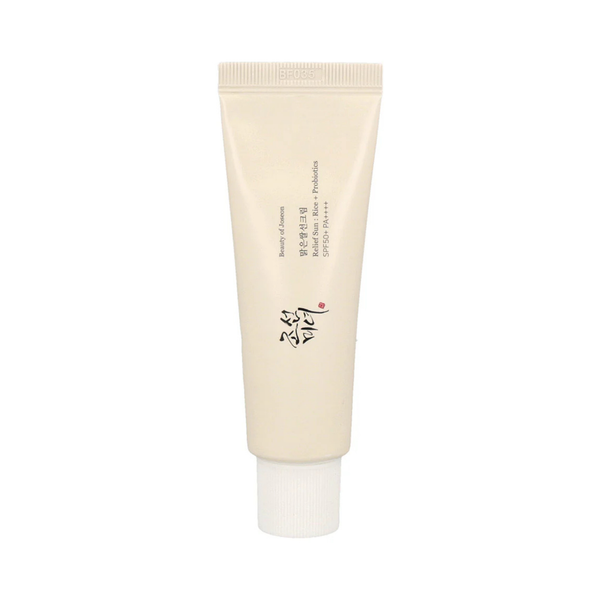
The Best Sunscreen You Can Buy. Full Stop.
Beauty of Joseon Relief Sun SPF50+ PA++++Dermatologists agree on almost nothing unanimously — except this: UV exposure is the leading cause of visible skin aging, far more than diet or genetics. In Korea, applying sunscreen every morning, rain or shine, is treated as non-negotiable, the same way brushing your teeth is. It starts in childhood, not in your 30s once the damage is already done.
This is Korea’s best-selling sunscreen for three years running, and the moment the sun comes out, it’s the single highest-impact thing you can buy on this entire site. Rice bran and probiotics instead of the white-cast, greasy formulas most Western sunscreens use — this is the one I saw being restocked constantly at Olive Young in Seoul, more than any other brand.
See the full sunscreen guide — including the pick for oily skin →
How to Use
- Apply as the last step of your routine, after moisturizer.
- Use a 2-finger-length amount for full face coverage.
- Reapply every 2-3 hours if outdoors.
2. A Diet Built Around Fermented Food
Kimchi isn’t a side dish in Korea — it’s eaten at almost every meal, and it’s doing more than flavoring rice. Fermented foods feed gut bacteria, and a healthy gut microbiome is directly linked to a stronger skin barrier. Seaweed, a daily staple in soups and side dishes, is rich in antioxidants and zinc, which helps regulate oil production and reduce breakouts.
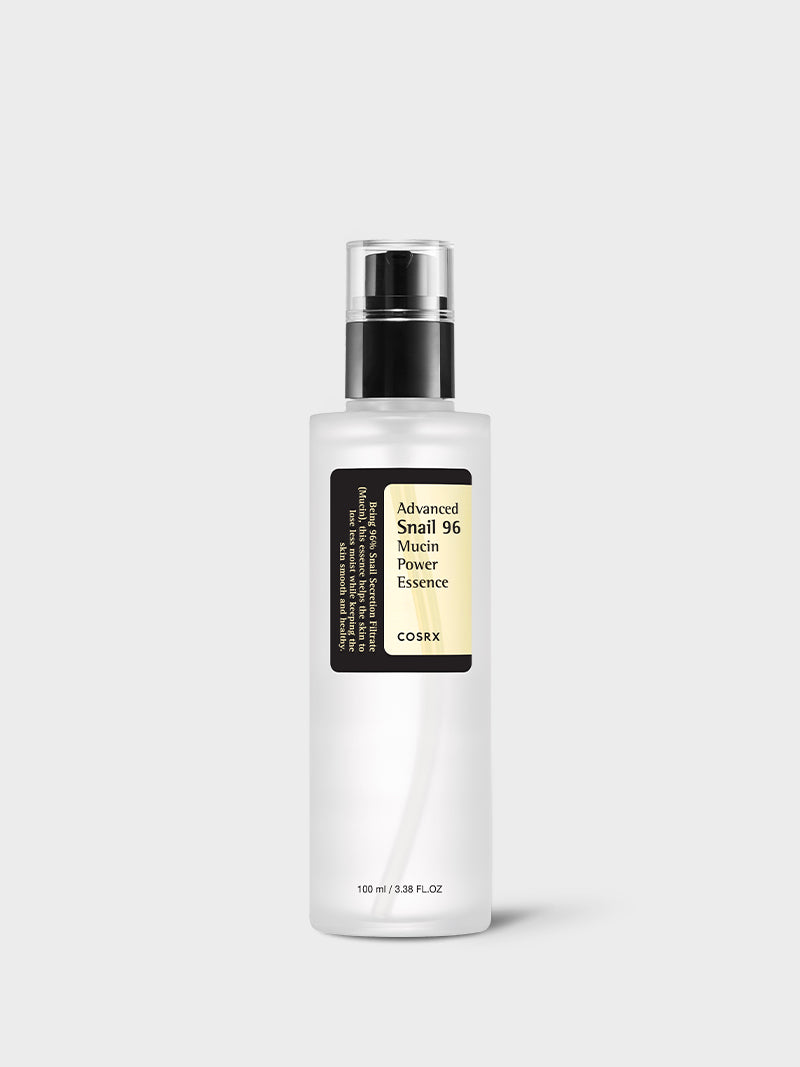
The Product That Went Global
COSRX Advanced Snail 96 Mucin Power EssenceIn Korea, basic skincare routines often start in the early teens, not the late 20s when most Westerners start paying attention. That decade-plus head start matters enormously — sun damage and barrier breakdown are far easier to prevent than reverse.
Snail secretion filtrate sounds strange and works extremely well — hydrating, repairing, and one of the single most-repurchased K-beauty products on Amazon, with over 100,000 ratings.
How to Use
- Apply 2-3 drops after cleansing and toning, before moisturizer.
- Pat gently into skin — don’t rub.
- Use morning and night for best results.
4. Stress, Sleep, and Hydration Are Treated as Skincare
💧 Water intake
Drinking water consistently through the day is the norm, not an afterthought — plump, hydrated skin starts from the inside.
😴 Sleep priority
Skin repairs itself overnight. Korean wellness culture treats sleep as a beauty input, not a luxury.
🧘 Stress management
Cortisol breaks down collagen. Walks, routines, and downtime are built into daily life, not squeezed in.
🔄 Consistency over intensity
Nobody is doing a 12-step routine once a month. It’s 3-5 steps, every day, for decades.
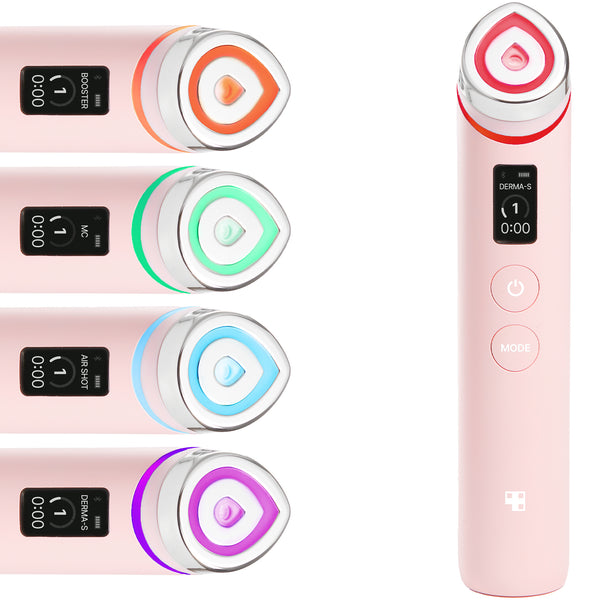
What Clinics Charge $100+ For
medicube Booster Pro — 6-in-1 DeviceKorean skin clinics charge $100+ per LED or microcurrent session — so a huge home-device market exists to bring that technology into a daily routine instead of a monthly splurge. This is the newest layer of the system, and exactly why devices like this have become popular outside Korea too.
Electroporation, microcurrent, EMS and 5-color LED in one device. Clinically tested: +763% absorption, +70.4% plumper skin, 34.56% reduction in visible pore size.
See the full Korean Glass Skin Routine for the exact step-by-step most Korean women actually follow — it’s simpler than it looks, and none of it requires looking 20 years younger overnight. It’s a decade of small, boring, consistent habits. That’s the actual secret. Also worth pairing with the LED face mask and gua sha — both part of the same device layer.
Common Questions
Why do Korean people look younger than their age?
Primarily consistent daily sunscreen use starting young, a diet rich in fermented foods like kimchi and seaweed, multi-step skincare routines practiced for decades, and strong sleep and stress-management habits. It’s not genetics — it’s compounding daily habits.
What is the number one Korean anti-aging habit?
Daily sunscreen, applied every morning regardless of weather, starting from a young age. UV exposure is the leading cause of visible skin aging, and Korean skincare culture treats sun protection as non-negotiable.
Does Korean diet really affect skin?
Yes. Fermented foods like kimchi support gut health, which is linked to a stronger skin barrier. Seaweed provides antioxidants and zinc that help regulate oil production and reduce breakouts.
What is COSRX Snail Mucin used for?
COSRX Advanced Snail 96 Mucin Power Essence uses snail secretion filtrate to hydrate, repair the skin barrier, and reduce fine lines and dullness. It is a well-reviewed K-beauty product, rated 4.0 stars from 106 ratings on Amazon.
At what age do Koreans start skincare routines?
Often in the early teens — far earlier than the typical Western start in the late 20s. This decade-plus head start makes prevention far more effective than later correction.
Every Product Here Fits One Routine
See exactly how they stack, in what order, and why — the full Korean glass skin routine.
See the Glass Skin Routine →Related Reading
Affiliate links — commission at no extra cost to you. Prices last checked June 2026.
There’s a newer ingredient behind a lot of this content: PDRN, salmon-derived DNA that’s gone viral for glass skin. What it actually is, and whether it works →
Take our free 1-page Korea Pre-Flight Checklist — visas, apps, money, packing — from the team behind everything on this site.