

Every friend I’ve introduced to Korean matcha ends up loving it — the milk tea sticks especially disappear fastest at my place, they’re genuinely that sweet and easy to love.
Whisk with hot water, then add milk. Best flavour, full control over sweetness — this is what OSULLOC cafés use. Also works for baking and drinking straight.
★★★★★ “This matcha is incredibly smooth and vibrant… perfect for drinking straight or making a creamy matcha latte.” — Christopher S., verified buyer
Matcha, sweetener, and milk-tea base pre-mixed into one packet — just add hot water or milk. Smoother and sweeter than plain matcha. 4.5★ from 137 ratings.
★★★★★ “There’s a velvety texture that blends smooth, it’s a bright green like matcha should be… I would rebuy again.” — Alexandra V., verified buyer
This has become the everyday matcha at my place. Whisk with a little hot water, pour over milk — any kind — done. Extremely yummy, and honestly this easy.
“I’m very picky when it comes to my matcha and this is on par with my everyday drinking matcha from Japan. It’s well bodied, rounded, but not as bitter or umami as the Japanese versions… it’s so great with all my flavoured syrups and works well in a latte!”
— Colin, verified Amazon purchase
Real Experience
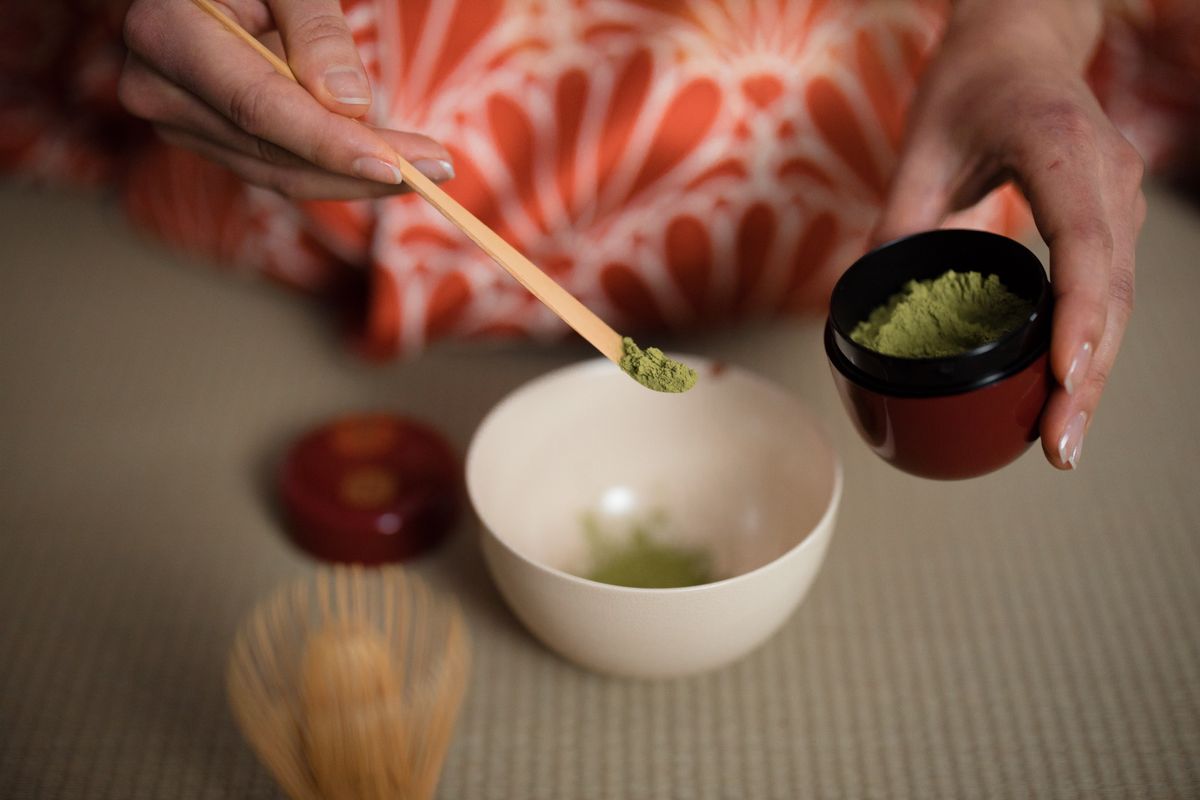
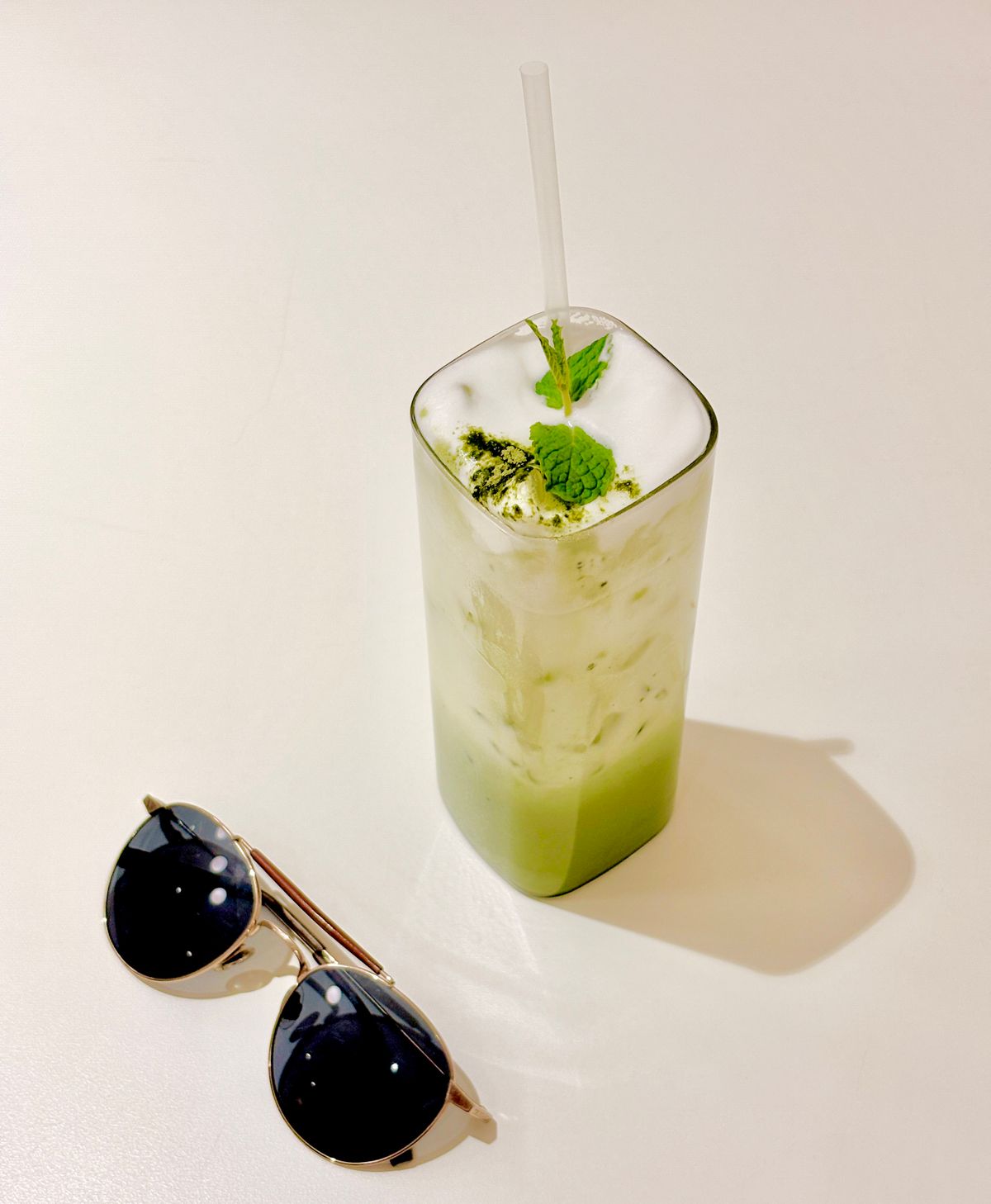
Matcha culture in Korea: from traditional ceremony to iced lattes at every café corner.
What is the best Korean matcha powder? OSULLOC Volcanic Isle is Korea’s #1 matcha brand, grown on Jeju Island since 1979. Korean matcha (malcha) is lighter and sweeter than Japanese matcha — less bitter, with a softer umami. It excels in lattes. OSULLOC is the standard in every Korean café and ships internationally on Amazon.
Best Korean Matcha Powder in 2026
Korean matcha powder is different from Japanese matcha — grown on Jeju Island’s volcanic basalt soil, it tends to be smoother and earthier with less of the grassy sharpness you get from Uji or Nishio. After a year living in South Korea and testing every brand I could find, OSULLOC is the clear benchmark for quality Korean matcha powder available internationally.
OSULLOC: How Korea Revived Its 1,500-Year-Old Tea Culture
Korea has been growing green tea for over 1,500 years — brought from China during the Silla Dynasty. But by the 20th century, the tradition had nearly died out. Colonisation, war, and modernisation pushed Korean tea culture to the margins.
In 1979, the founder of Amorepacific — Korea’s largest beauty and wellness conglomerate — made a decision that would define Korean tea for generations: he chose the volcanic basalt plains of Jeju Island to cultivate Korea’s finest tea estate.
The name OSULLOC means “reviving the culture of tea.” In 2001, they opened their Tea Museum on Jeju — surrounded by rolling green tea fields and volcanic landscape. It’s now one of the most visited tourist attractions on the island.
OSULLOC’s Illohyang tea won First Place at the North American Tea Championship in 2009, 2011, 2012, and 2014. It also won the Beijing Tea Expo World Premium Tea Prize.
Volcanic basalt soil is mineral-rich and well-draining. Combined with Jeju’s subtropical climate, regular mist, and clean air — it creates a unique terroir that gives Korean matcha its distinctive earthy-smooth character.
OSULLOC is part of Amorepacific — the same company behind Innisfree, Laneige, and Sulwhasoo. Korea’s most trusted name in nature-based products.
The Three Regions Behind Korean Tea
Korean matcha isn’t just Jeju — three regions produce almost everything you’ll find, each with a distinct character.
Volcanic basalt soil and a mild oceanic climate. Home to OSULLOC’s estate — the region most people associate with Korean matcha.
At the foot of Jirisan mountain in South Gyeongsang Province — traditionally considered the birthplace of Korean tea cultivation, with more wild and artisan-grown bushes than Jeju’s plantations.
In South Jeolla Province — Korea’s largest tea-producing region by volume, famous for the terraced hillside plantations at Boseong Dawon and its annual Green Tea Festival.
Korean Matcha vs Japanese Matcha
They’re both matcha. They’re not the same thing.
Korean Matcha (Malcha)
Japanese Matcha
Why Matcha Is Not Just a Trend
Calm Focus — Without the Crash
L-theanine — matcha’s unique amino acid — promotes alpha brain waves: the state of relaxed alertness. Combined with caffeine, it produces what researchers call “alert calm” — focused concentration without coffee anxiety or crashes.
EGCG — The Most Powerful Antioxidant in Tea
Matcha contains 137× more antioxidants than regular green tea. The key compound is EGCG (epigallocatechin gallate), studied for its role in reducing inflammation, supporting heart health, and protecting cells from damage.
Metabolism Boost
Studies show matcha can increase thermogenesis (calorie burning) by 8-43%. The combination of catechins and caffeine is more effective for fat oxidation than caffeine alone.
Stress Reduction
L-theanine has been shown to reduce cortisol (stress hormone) levels and improve sleep quality. Buddhist monks drank matcha before meditation for centuries — the calm focus was intentional.
Skin Benefits
EGCG has strong anti-inflammatory properties that help reduce acne and redness. Matcha is also used topically in Korean skincare — look for it in face masks. Drink it and wear it.
Heart Health
Regular green tea consumption is associated with lower LDL cholesterol, reduced blood pressure, and decreased risk of cardiovascular disease in large population studies — including Japan and Korea, where tea drinking is part of daily life.
How to Make the Perfect Korean Matcha Latte
The way Koreans actually drink it — not a watered-down powder sprinkle.
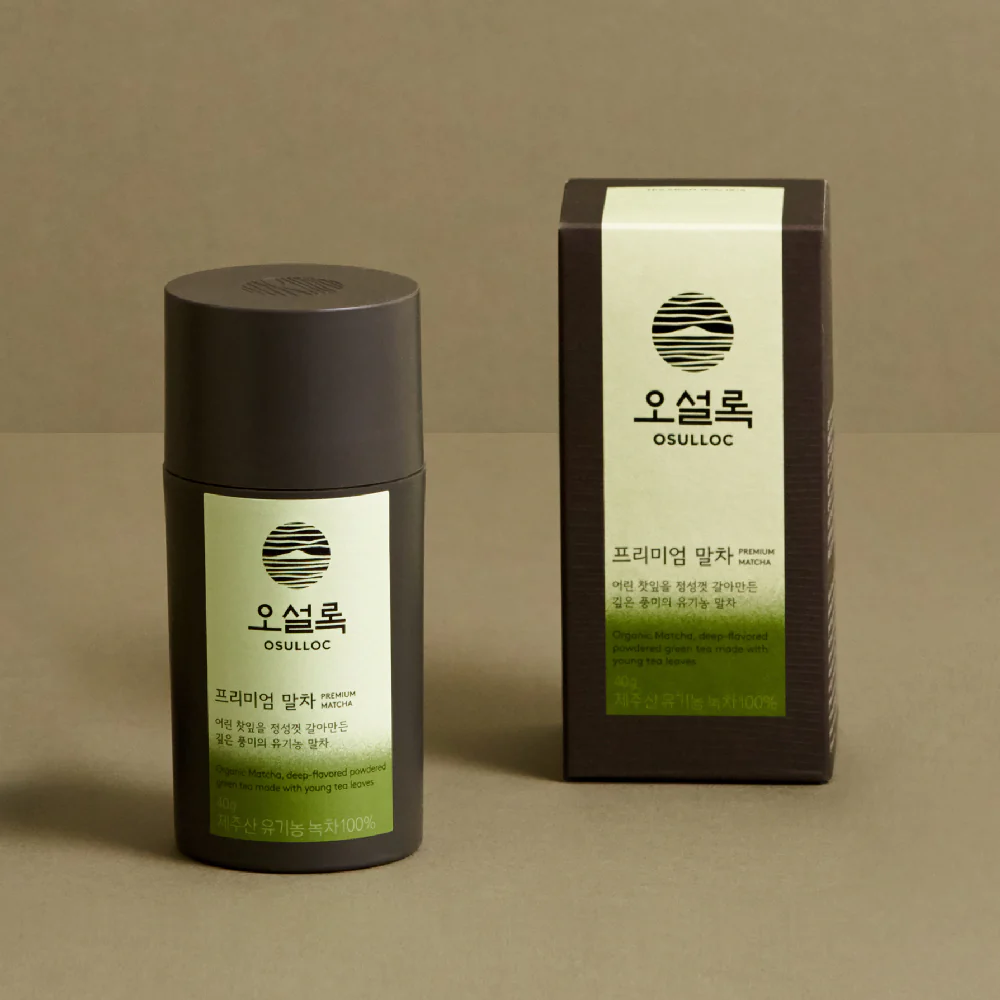
🍵 OSULLOC Korean Matcha — Full Review & Specs
Korea’s most trusted matcha brand since 1979 — grown on Jeju Island volcanic soil.
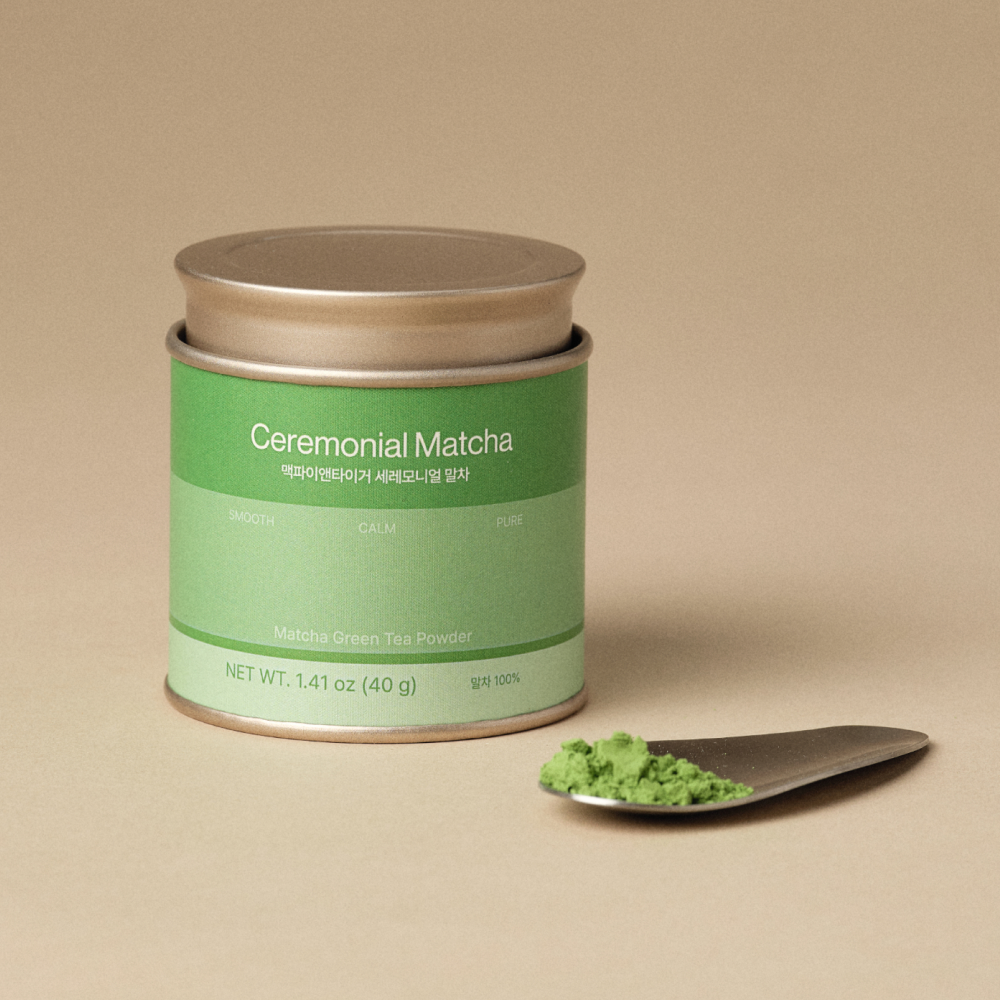
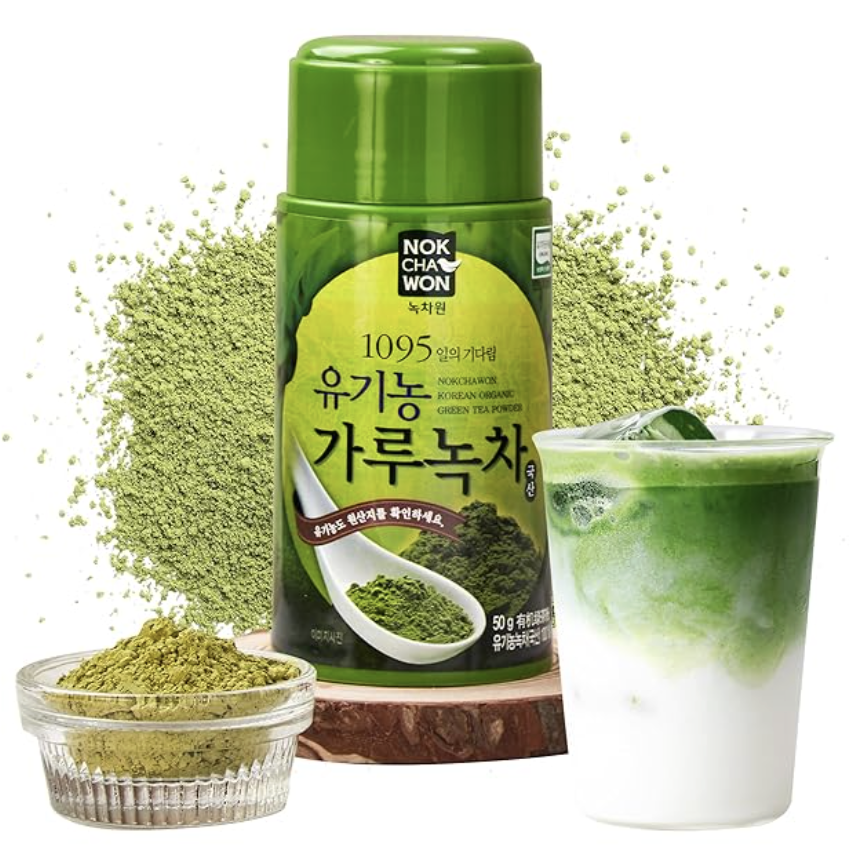
OSULLOC Volcanic Isle Matcha
- ✓Grown on Jeju Island’s volcanic soil — unique terroir you can taste
- ✓Ceremonial grade: smooth, low bitterness, vibrant green
- ✓OSULLOC — Korea’s most prestigious tea brand since 1979
- ✓Makes the best matcha latte you will ever have
- ✓4× winner at North American Tea Championship
- ✓Part of Amorepacific — same group as Laneige and Innisfree
— KimchiBoy, KAIST, Seoul
5.0 — My Honest Review
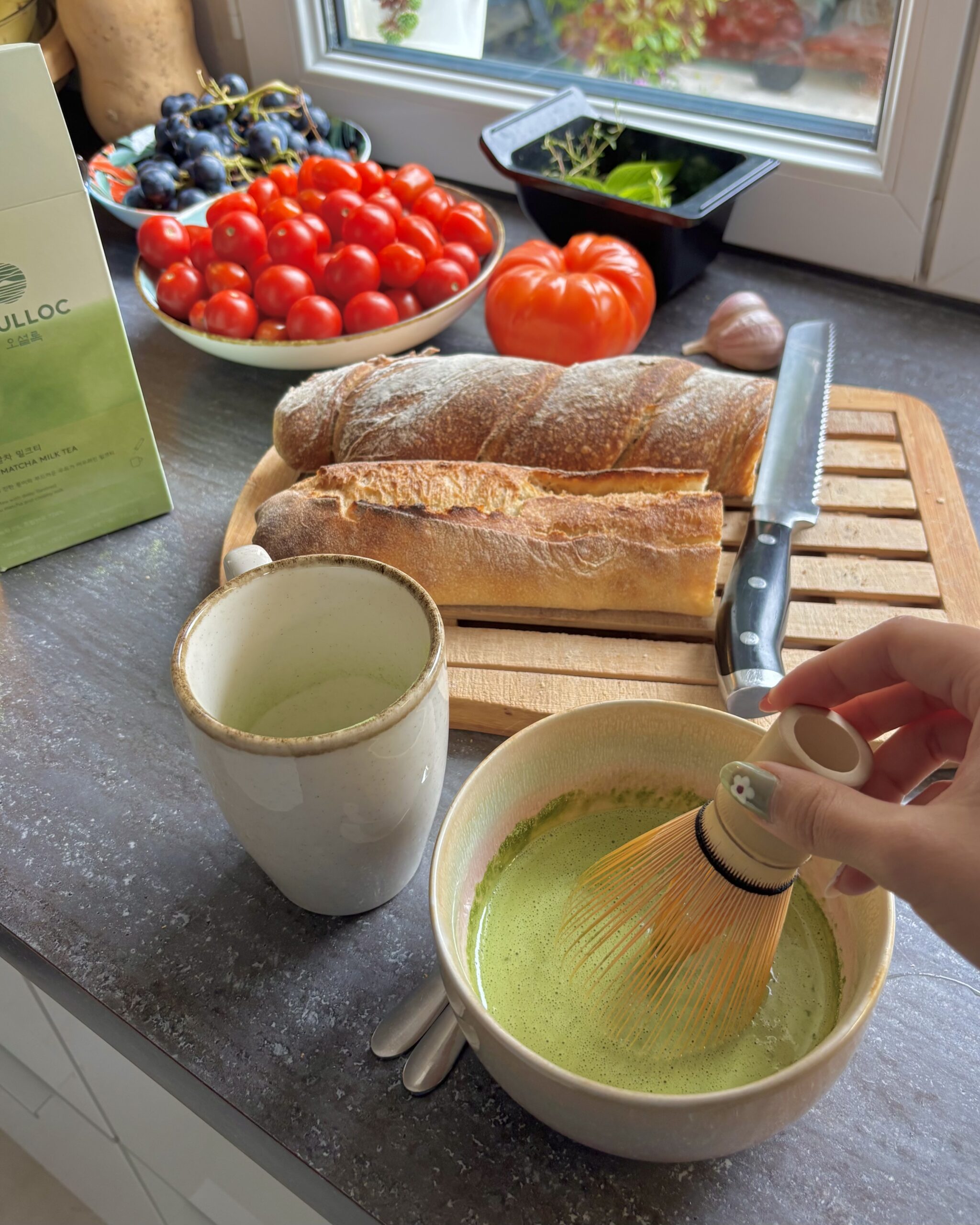
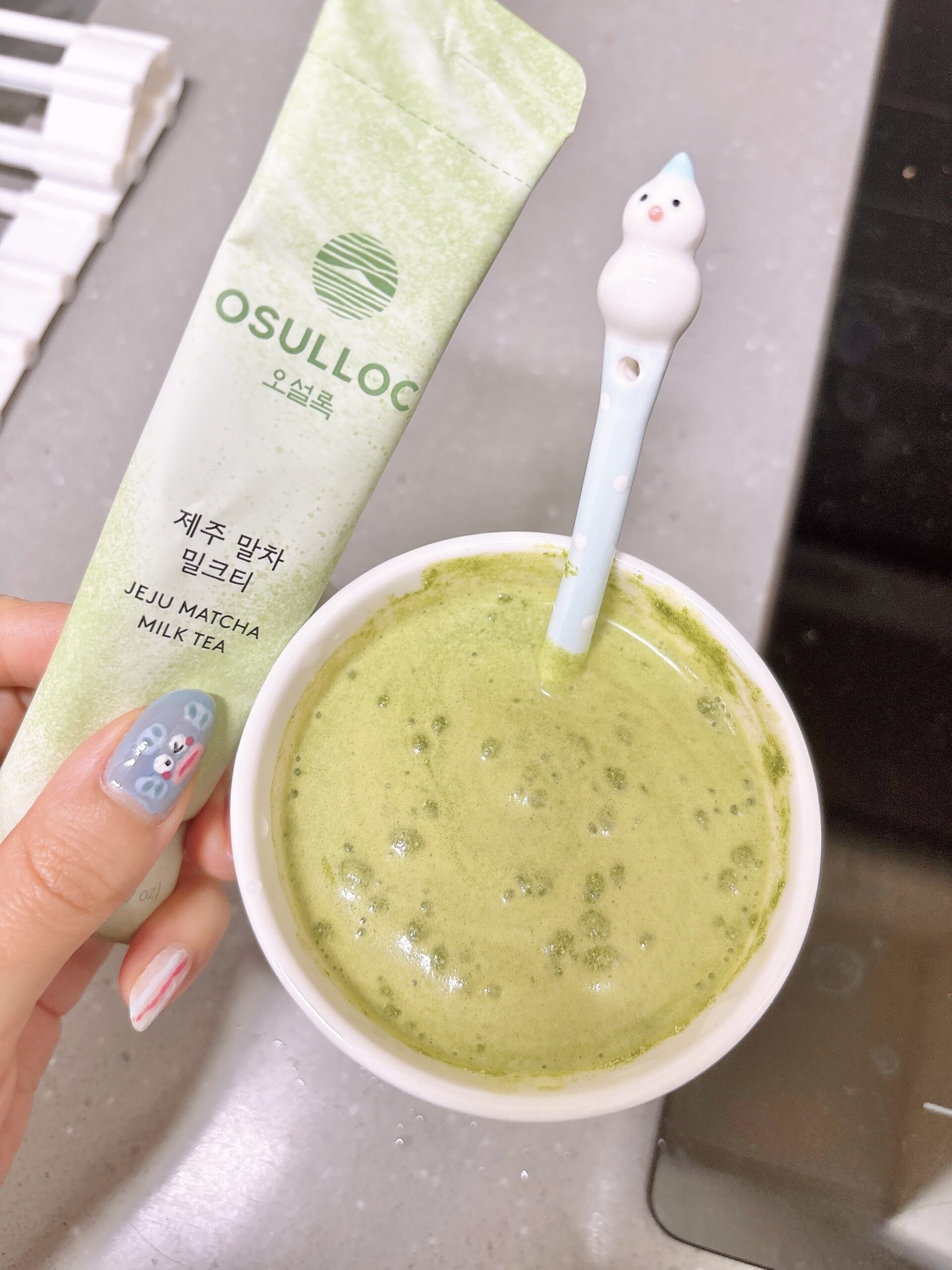
This is the matcha that actually made me like matcha. I loved the smooth, creamy taste — the matcha flavor is rich but not too strong, and the sweetness is just right, great for a quick afternoon treat.
It has a nice balance of earthy matcha and milk without tasting overly sweet, and I’d definitely buy it again. Out of my whole group of friends across Korea, Europe, and Asia who’ve tried it, everyone rates it a 5 out of 5.
— KimchiBoy, based on personal daily use
🍵 Korean Matcha Brands Compared — 2026
Every major Korean matcha option available internationally, ranked by quality and use case.
| Brand | Grade | Origin | Taste Profile | Best For | Price |
|---|---|---|---|---|---|
| OSULLOC Volcanic Isle ⭐ | Premium | Jeju Island | Light, sweet, mild umami — less bitter than Japanese | Lattes, baking, daily use | $$ |
| OSULLOC Green Tea Pure | Culinary | Jeju Island | More grassy, slightly bitter — classic Korean green tea profile | Cooking, baking, smoothies | $ |
| Jiri Mountain Malcha | Ceremonial | Hadong, South Korea | Earthy, complex, strong umami — closest to Japanese style | Traditional ceremony, purists | $$$ |
| Magpie&Tiger Ceremonial | Ceremonial | Hadong, Boseong | Nutty sweetness, mild earthy bitterness, clean finish | Ceremonial purists on a budget | $$ |
| Nokchawon Organic | Culinary | Sacheon & Boseong | Grassy, straightforward green tea profile | Cooking, baking, budget lattes | $ |
| Japanese Ceremonial (comparison) | Ceremonial | Uji, Kyoto | Bold umami, rich, grassy — the benchmark most people know | Ceremony, whisked hot | $$$ |
⭐ Our pick for most people. $ = under $15 · $$ = $15–30 · $$$ = $30+
📊 Korean Matcha Grades Explained
⚗️ How to Prepare Korean Matcha — Temperature & Technique
- Sift 1.5–2g matcha into bowl (prevents clumps)
- Add 60–70ml water at 70–80°C — never boiling
- Whisk in a fast zigzag motion (not circles) for 20–30 seconds
- Stop when frothy, drink immediately
- Sift 2–3g matcha into a cup
- Add 30ml hot water (75°C), whisk into a paste first
- Add 150–200ml oat or whole milk (steamed or cold)
- Sweeten with 1 tsp honey or simple syrup
- For iced: pour over ice last
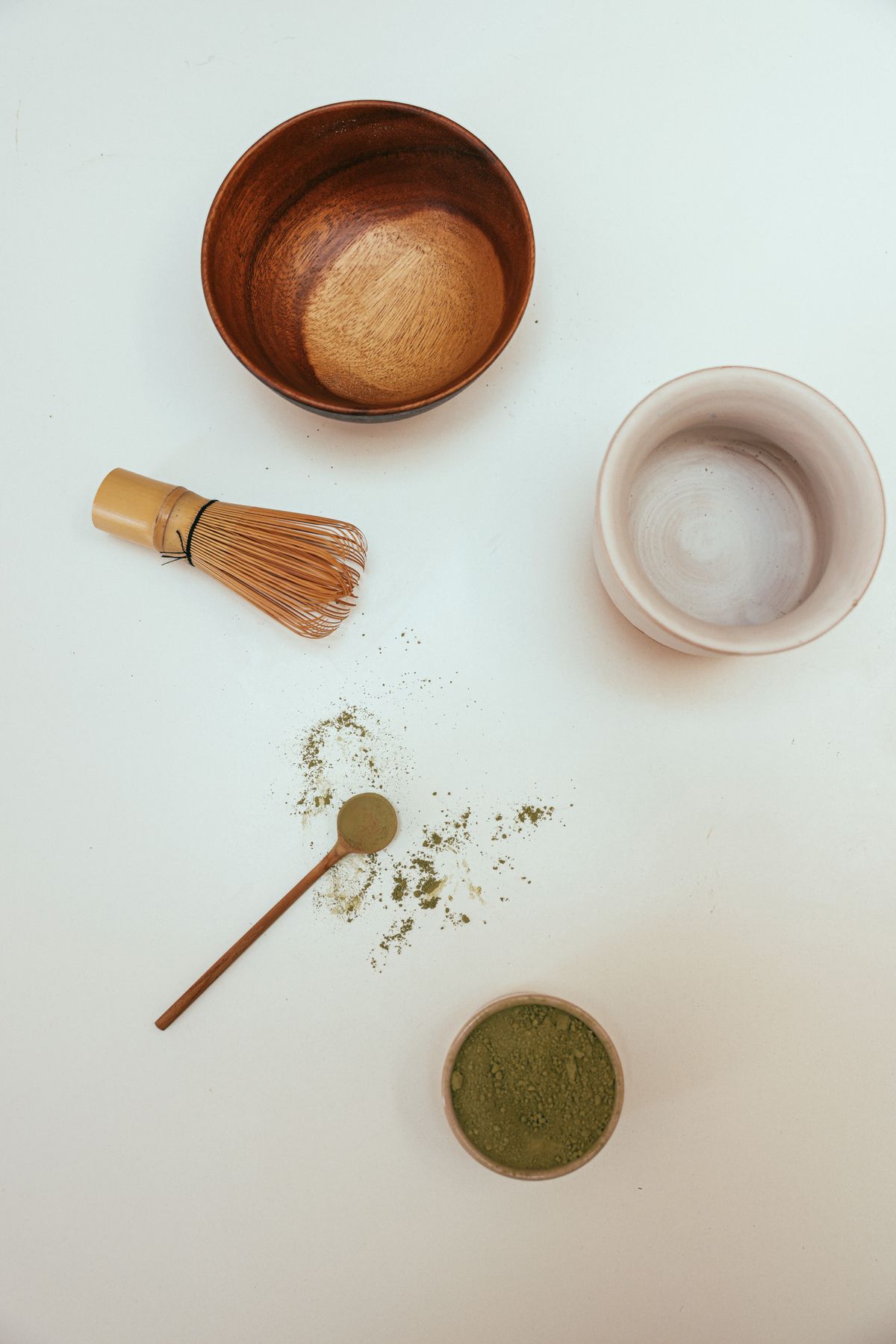
✓ Ceramic chawan bowl
✓ Scoop + spoon
✓ Ready to use
📦 How to Store Korean Matcha (It Goes Stale Fast)
🛒 Where to Buy Korean Matcha Outside Korea
☕ Korean Matcha vs Coffee — Why Koreans Are Switching
Korean matcha lattes are now outselling coffee in many Korean cafés. Here’s why people who drink coffee are switching:
- Energy spike then crash
- Can increase anxiety
- Stains teeth
- Dehydrates
- Shorter focus window (1-2h)
- Steady energy (L-theanine + caffeine)
- Calm focus — no jitters
- Antioxidants (137× more EGCG than green tea)
- Hydrating base
- Longer focus window (3-5h)
Korean Matcha FAQ
Is Korean matcha better than Japanese matcha?
Neither is objectively better — they’re different. Korean matcha is smoother, earthier, and less bitter. Japanese matcha is more intense, more umami, and more vibrant green. If you find Japanese matcha too strong, Korean matcha will convert you. If you love intense ceremonial Japanese matcha, you might find Korean matcha too subtle.
Can I use Korean matcha for baking?
Yes. OSULLOC matcha works beautifully in cakes, cookies, mochi, and ice cream. The smoother, less bitter profile means you don’t need as much sweetener to balance it out. Start with 1-2 teaspoons per recipe.
What’s the difference between ceremonial grade and culinary grade matcha?
Ceremonial grade uses the youngest, most tender leaves — meant to be drunk on their own. Culinary grade uses older leaves, stronger and more bitter — meant for baking and lattes where other flavours are added. OSULLOC Volcanic Isle is ceremonial grade: fine for drinking plain, excellent in lattes.
How much caffeine is in matcha?
One teaspoon of matcha has approximately 70mg of caffeine — similar to a shot of espresso. However, L-theanine modulates how your body processes the caffeine, creating a slower, steadier release without the spike and crash of coffee.
Does Korean matcha expire?
Yes. Matcha oxidises quickly once opened. Keep OSULLOC in an airtight container away from light and heat. Use within 2-3 months of opening for best flavour. The tin it comes in is designed to protect it — store it in the fridge after opening.
Is OSULLOC available outside Korea?
Yes — on Amazon with Prime shipping. The same product sold in OSULLOC’s flagship stores in Seoul and Jeju. No need to travel to Korea to get it, though the Tea Museum on Jeju is absolutely worth visiting if you go.
Is OSULLOC matcha good?
Yes — OSULLOC is Korea’s most established matcha brand, in continuous production since 1979, and its Volcanic Isle line has won the North American Tea Championship four times. Grown on Jeju Island’s volcanic soil, it’s smoother and less bitter than most Japanese ceremonial-grade matcha, making it an easy daily drinker as well as a solid choice for lattes and baking.
What is Korean matcha powder?
Korean matcha powder is green tea grown and stone-ground in South Korea, primarily on Jeju Island. It differs from Japanese matcha in the tea cultivar, growing climate, and flavour profile — Korean matcha tends to be grassier and slightly less umami-forward than Uji or Nishio matcha from Japan. OSULLOC is the dominant Korean matcha brand, having farmed Jeju matcha since 1983 and won the North American Tea Championship four times.
What is OSULLOC matcha powder and where is it from?
OSULLOC matcha powder is made from green tea grown on Jeju Island, South Korea, on volcanic basalt soil at altitude. OSULLOC is a subsidiary of AmorePacific, South Korea’s largest beauty and lifestyle conglomerate. The matcha is stone-ground and available in multiple grades — the Volcanic Isle and premium ceremonial variants are suitable for drinking straight, while the standard powder works well for lattes and baking. It’s sold in OSULLOC’s own tea houses across Seoul and Jeju, and on Amazon with Prime shipping.
What is the best Korean matcha powder?
OSULLOC Volcanic Isle Matcha Powder is the most recognised Korean matcha — grown on Jeju Island’s volcanic soil, four-time winner of the North American Tea Championship, and the brand sold in OSULLOC’s own flagship cafés across Seoul and Jeju. For a Korean-grown matcha that competes with Japanese ceremonial grades, it’s the standard reference point.
Is matcha Korean or Japanese?
Matcha originated in China and was refined in Japan — Japanese matcha (particularly from Uji, Kyoto) is the traditional standard. Korean matcha is a newer category, primarily from Jeju Island, and uses a different cultivar and growing climate. Korean matcha tends to have a slightly different flavour profile — grassier and less umami-forward than Japanese matcha. Neither is objectively better; they’re different products.
Do Koreans actually drink matcha?
Honestly — not as part of traditional Korean tea culture, which centers on green tea (nokcha) rather than whisked matcha. But OSULLOC changed that: since 1979 they’ve built matcha into daily Korean café life, and today OSULLOC matcha lattes are genuinely everywhere in Seoul, the same way a flat white is everywhere in a Western coffee shop. So it’s less “ancient Korean tradition” and more “modern Korean café culture that’s now decades deep” — real either way, just a different kind of real than matcha’s Japanese ceremonial roots.
Is matcha from Jeju Island worth it?
Yes — Jeju’s volcanic basalt soil and high rainfall create growing conditions that produce distinctive green tea. OSULLOC has farmed Jeju matcha since 1983 and their Tea Museum is one of the most visited attractions on the island. The quality at the price point is strong, particularly for lattes and baking where the subtle flavour differences from Japanese matcha are less noticeable.
Your Morning Coffee Doesn’t Know What’s Coming
Switch one coffee per day to Korean matcha for two weeks. The calm focus is different. Your gut will notice. Your skin might too.
🍵 Buy OSULLOC Matcha on Amazon →
Affiliate link — commission at no extra cost to you. Prices last checked June 2026.
Related Reading
🍵
Stop Making Clumpy Matcha
The bamboo whisk + bowl set that actually fixes it
🎁
Best Korean Gift Ideas
More real, practical picks beyond matcha
🌶️
Shin Ramen — Korea’s #1 Instant Noodle
Best Korean instant noodles ranked and reviewed
✨
Korean Glass Skin Routine
The skincare ritual that goes with your matcha
📱
Going to Korea? Get a eSIM First
Unlimited data, no SIM card — use code KIMCHIBOY
The Korea & Asia Travel Checklist
Everything I actually pack — gear, docs, food, DMZ essentials. Built from a year living in Seoul.
🇰🇷 THE KOREA TRIP PLANNER
Dreaming of trying these in Korea?
Turn the craving into a trip. The Korea Trip Planner (PDF) maps it all out — a ready 7-day Seoul itinerary, packing & pre-flight checklists, and where to eat — one printable file you keep forever.
Take our free 1-page Korea Pre-Flight Checklist — visas, apps, money, packing — from the team behind everything on this site.