
This page contains Amazon affiliate links. I earn a small commission at no extra cost to you. Prices last checked June 2026.
The Drink Korean Women
Take Every Night
for Glass Skin
Korean collagen supplements have been a daily ritual long before the West discovered them. Not a cream. Not a serum. A drink — taken before bed, every night, for months.

Real Experience
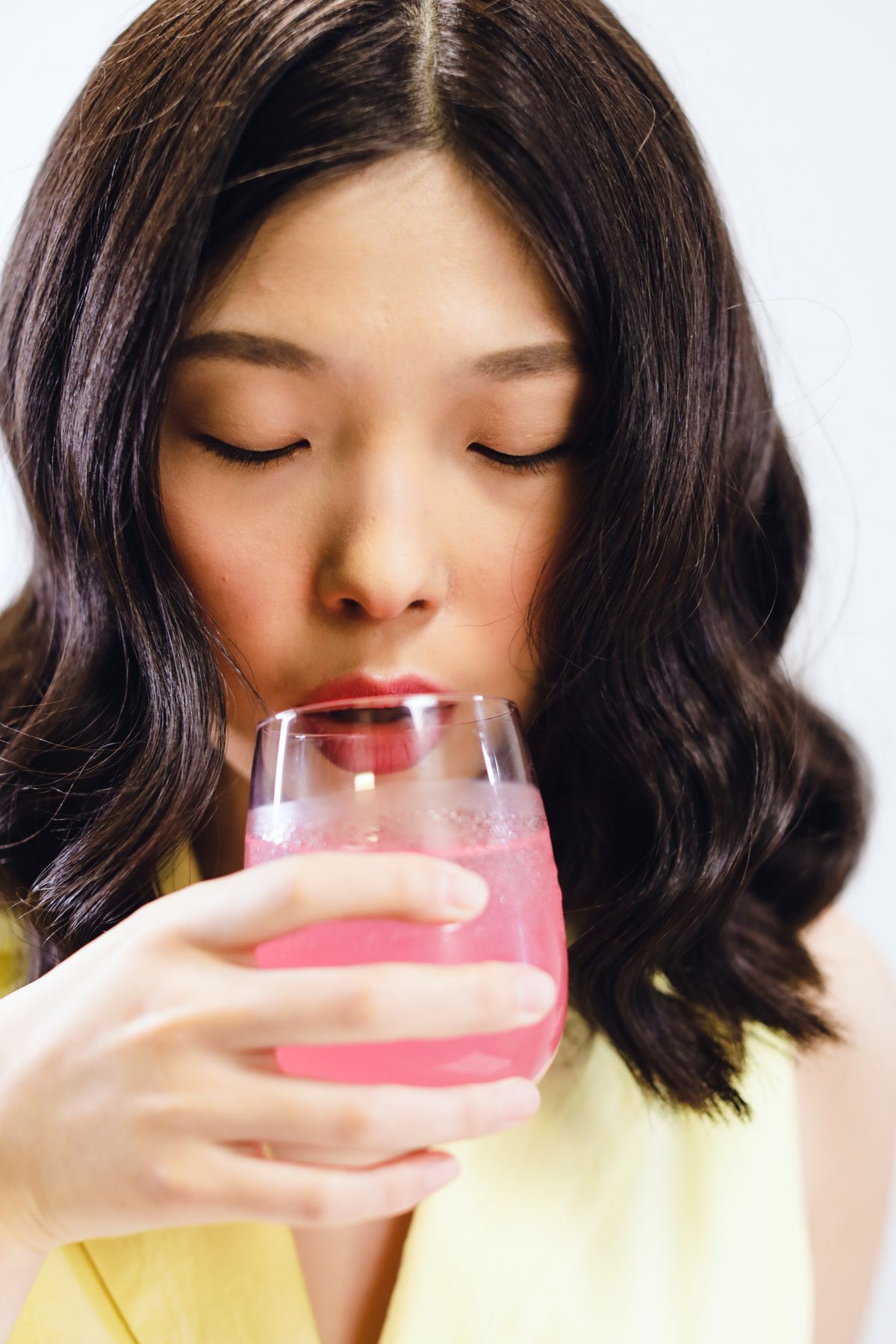
BB LAB collagen is a nightly ritual for millions of Korean women — taken like a vitamin, not a treatment.
Korean Skincare Isn’t Just What You Put On Your Face
Living in Korea for a year, I noticed something: the supplement section in every pharmacy was stacked with collagen sticks. Not in the vitamin aisle — in the beauty section, right next to the sheet masks and serums. It’s treated as part of the skincare routine, not a health supplement. The logic is simple: skin is made of collagen, production declines after your mid-20s, and Korean women have been addressing that from the inside for decades before the rest of the world started talking about it.
BB LAB is one of Korea’s top collagen brands — widely sold in H&B stores and pharmacies across Seoul, including Olive Young. Low molecular weight means the collagen peptides are small enough to actually absorb rather than pass through.

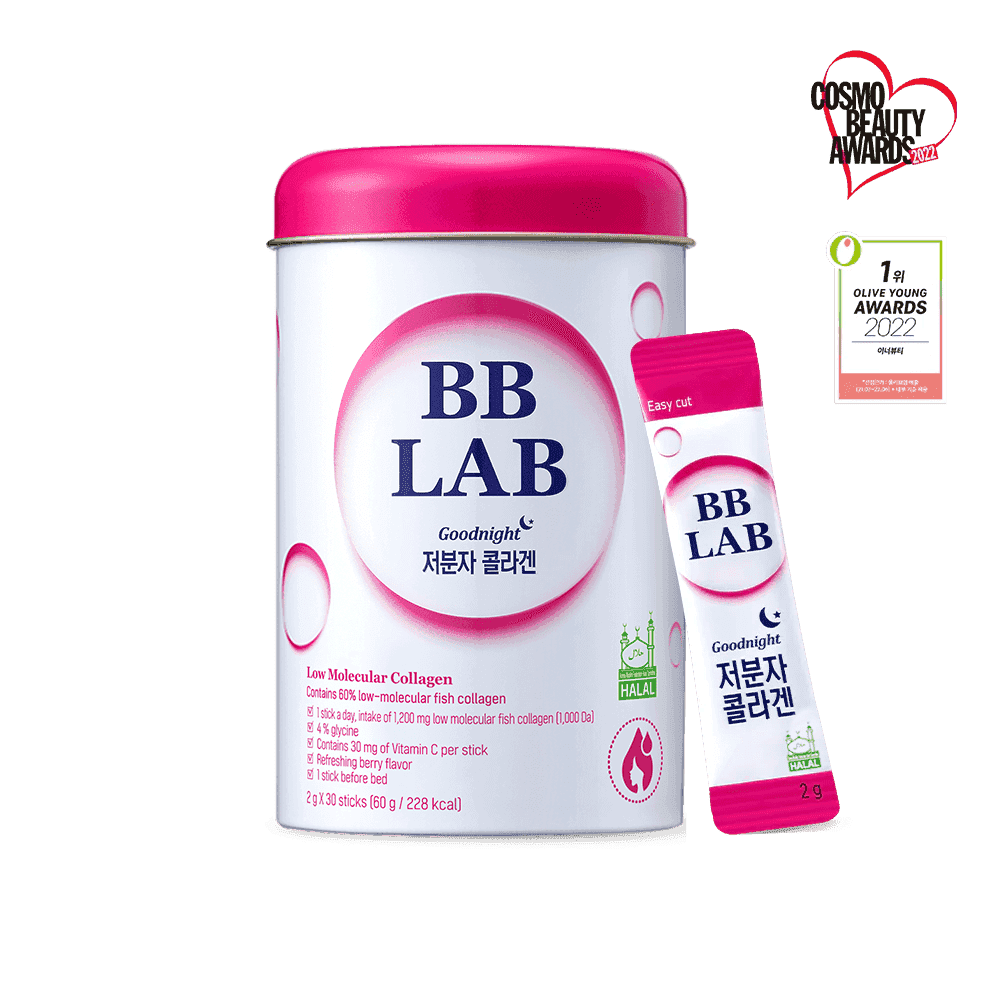
BB LAB Good Night Collagen
Low Molecular Marine Collagen · 30 Stick Packs · Berry FlavorThis is the collagen stick you find in every Korean pharmacy right next to the sheet masks. BB LAB uses low molecular weight hydrolyzed marine collagen — smaller peptide chains that absorb faster than standard collagen. One stick mixed into water before bed, every night. That’s the Korean routine.
Contains Vitamin C (needed for collagen synthesis), glycine, and 17 probiotics. Halal certified. The mix berry flavour is mild — you won’t taste it as a supplement, more like a light berry drink.
How to Use
- Tear open one stick and pour into a glass of water (cold or room temperature).
- Stir until dissolved — takes about 10 seconds.
- Drink 30 minutes before sleep. Consistency over weeks matters more than any single dose.
Why Collagen Declines — and Why Korea Treats It Like Skincare
Collagen production is well-documented to decline with age — roughly 1% per year starting in your mid-20s, and faster during and after menopause for women. Skin is around 75-80% collagen by dry weight, so as production slows, skin gradually loses firmness and elasticity — this is the actual biological mechanism behind visible aging, not just a marketing story. It’s also why “beauty from within” isn’t purely a K-beauty slogan: if the raw material declines, addressing it from the inside is a reasonable complement to topical products, not a replacement for them.
Marine vs. Bovine vs. Porcine Collagen
Not all collagen supplements use the same source, and it matters more than most labels explain:
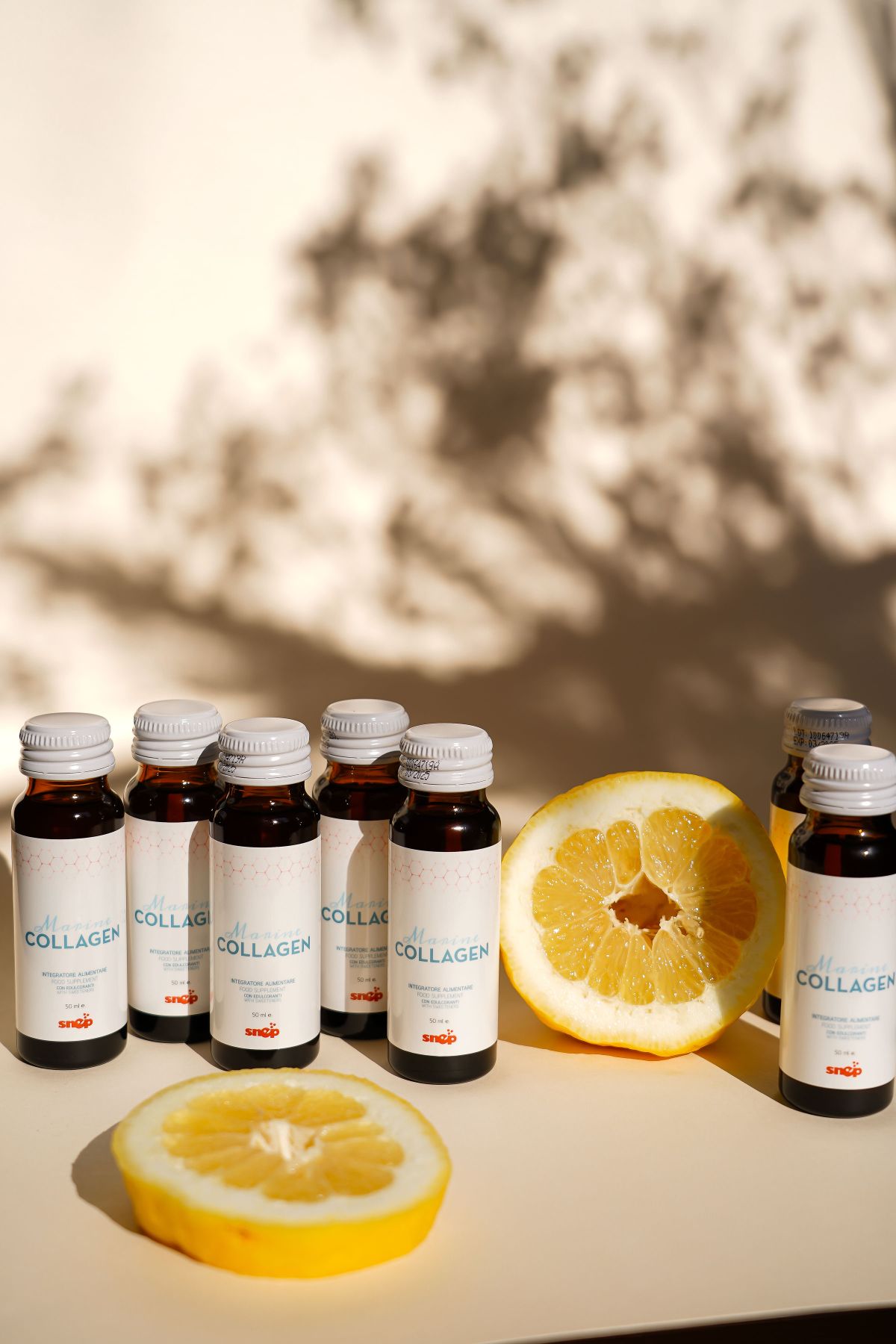
Marine (fish) collagen — what BB LAB and most Korean brands use — has a naturally smaller peptide structure than land-animal collagen, which is part of why Korean formulas lean marine and market heavily on “low molecular weight.” Smaller peptides are generally easier for the body to absorb. It’s also inherently halal and kosher-friendly, relevant given collagen’s Middle Eastern and Southeast Asian export markets.
Bovine (cow) collagen — the most common type in Western supplements — is rich in Type I and III collagen and tends to be cheaper to produce at scale, but the raw peptide chains are typically larger before processing.
Porcine (pig) collagen is less common in supplements generally and essentially absent from Korean brands specifically, for the same halal/kosher-market reasons marine collagen is favored.
This is also the actual reason to double check the label if you have a fish allergy — marine collagen, including BB LAB’s, is not suitable for you, and a bovine-based alternative would be the safer choice.
🧬 BB LAB Low Molecular Collagen — Full Review & Specs
Korea’s #1 collagen supplement — 1,200mg low molecular fish collagen per sachet, absorbed faster than standard collagen.
Common Questions
Do Korean collagen drinks actually work?
The research on oral collagen peptides is growing — hydrolyzed collagen (especially low molecular weight) has shown some evidence of improving skin hydration and elasticity in clinical trials. It’s not conclusive, but it’s also not baseless. Korean skincare culture adopted it well before Western dermatology caught up, similar to how double-cleansing and SPF daily use were dismissed as excessive before becoming mainstream.
What makes Korean collagen different from Western collagen supplements?
Two main differences: format (Korean collagen comes as single-serve liquid sticks, not pills — easier to incorporate into a daily routine) and molecular weight (Korean formulas typically use low molecular weight peptides for faster absorption, while many Western supplements use standard hydrolyzed collagen that may be harder to absorb).
When do you take it?
Before sleep — that’s the Korean convention, and it’s backed by logic: skin repair happens primarily during sleep, so taking collagen at night gives it a window to work. One stick, dissolved in water, 30 minutes before bed.
How long before you see results?
The Korean standard is 8-12 weeks of consistent daily use. Skin turnover takes time. Don’t judge it at one week.
Is BB LAB a real Korean brand?
Yes — BB LAB is manufactured and sold in South Korea, widely available at Olive Young, Lohbs, and Korean pharmacies. It’s not a brand that was created for Amazon export — it’s an actual Korean shelf product.
One Stick. Every Night. 30 Days.
Delivered via Amazon Prime.
🛒 See Today’s Price →Related Reading
Take our free 1-page Korea Pre-Flight Checklist — visas, apps, money, packing — from the team behind everything on this site.