Credentials at a Glance
KAIST area, Daejeon, South Korea
1 year South Korea (Daejeon/Seoul)
23K+ subscribers · 62M+ views · 280+ videos
Asia eSIM, Korean culture
All products personally used in Korea or Hong Kong.
Next trip: China Oct/Nov 2026
Moving to Asia Alone Was the Hardest Thing I Ever Did
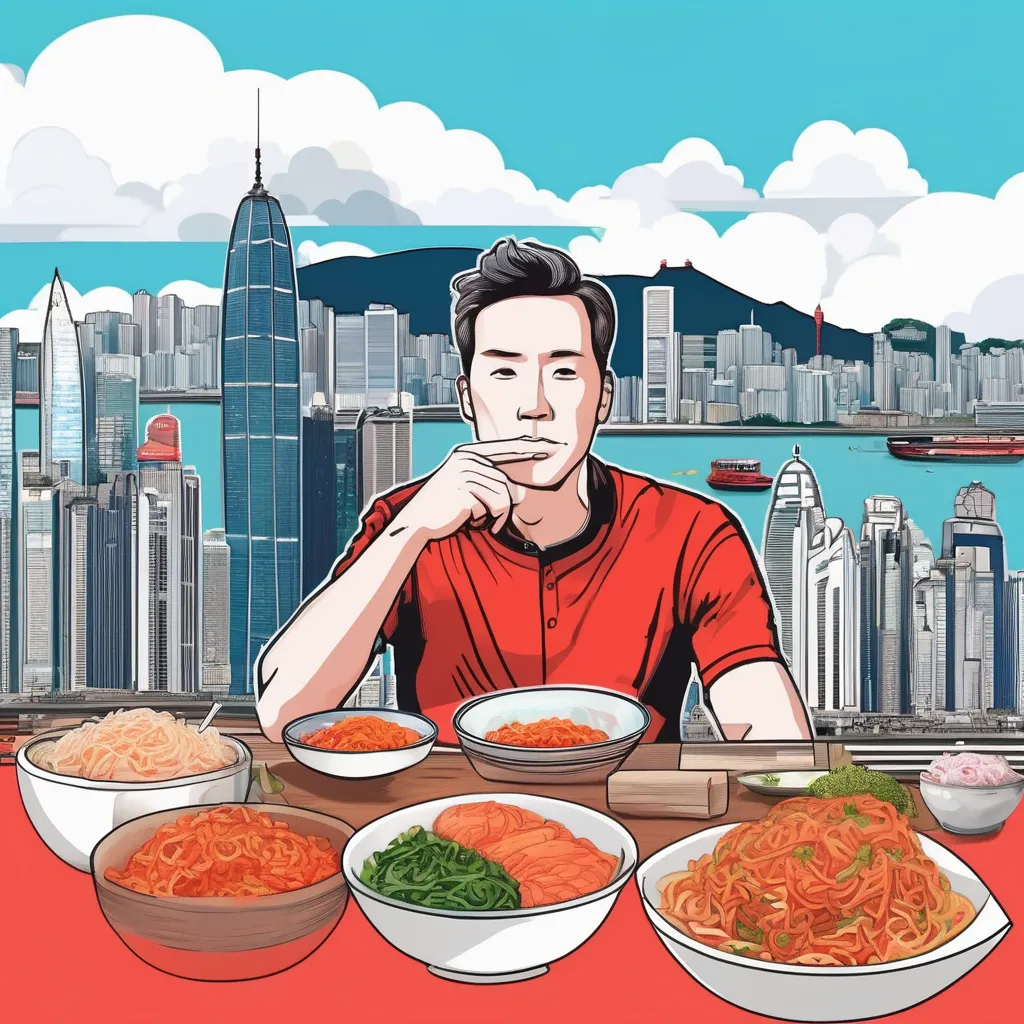
I came to Hong Kong to study Finance at City University of Hong Kong — one of Asia’s most respected finance programmes, in the city that is arguably the most important financial hub in Asia. The skyline isn’t decoration. It’s the physical proof of what capital concentration looks like.
Hong Kong is brutal on your wallet. To survive, I tutored mathematics on the side to international students — a daily exercise in structured chaos. Students from France, Nigeria, China, and Korea, none sharing a common language beyond broken English and hand gestures. I taught calculus through diagrams, patience, and an embarrassing amount of miming.
But what Hong Kong gives back is unlike anywhere else. It’s the only city in the world where you walk from the densest, tallest skyline on earth onto a minibus, and twenty minutes later you’re on a hiking trail above a secluded beach. Skyscrapers and jungle. Finance and fishing villages. Typhoon warnings and the best dim sum you’ll eat in your life for $3.
It is still my favourite city in the world. Nothing comes close. Watch the video below — it shows the contrast better than I can describe it.
▶ Watch: Hong Kong — The City That Has Everything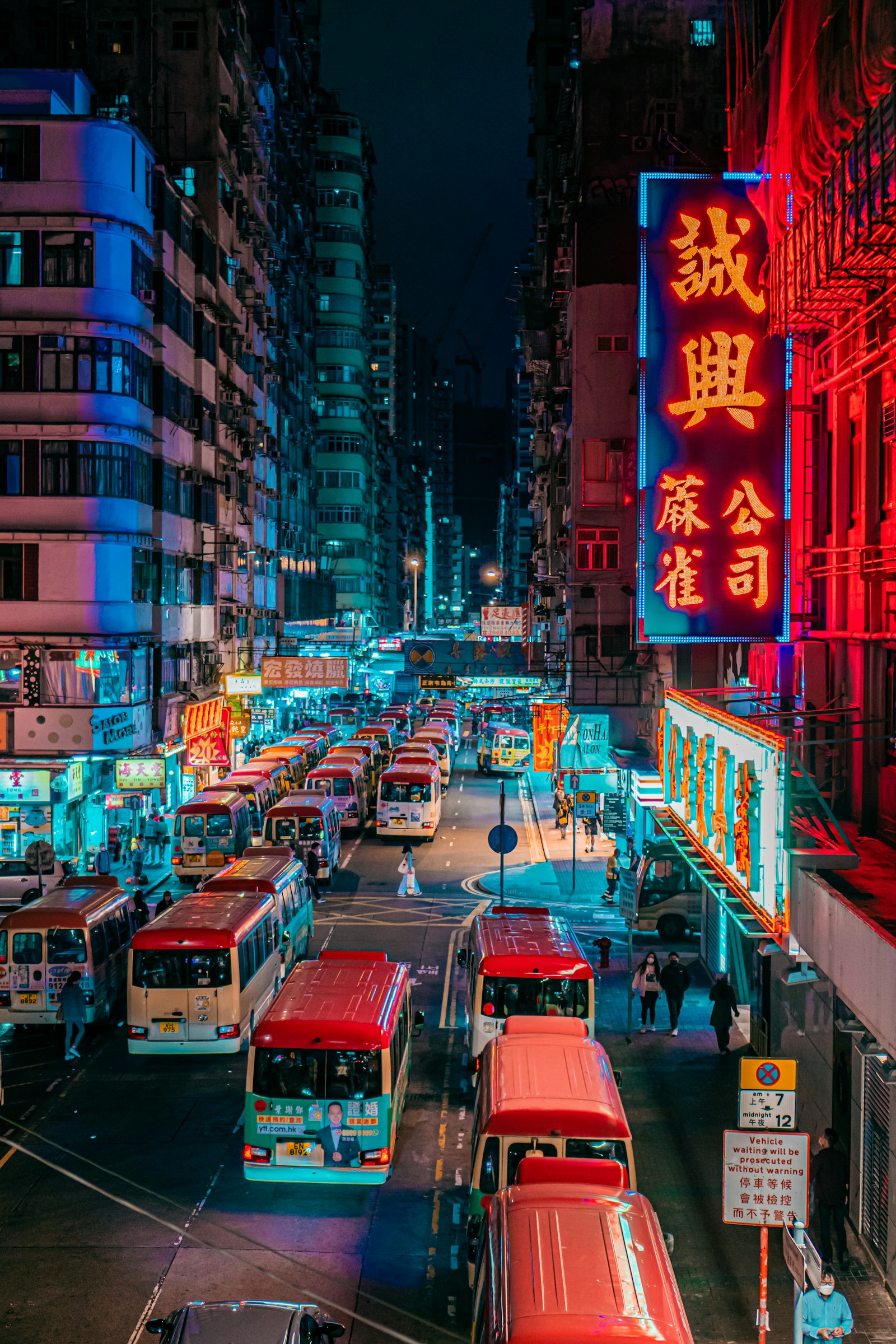
Teaching math to teenagers who speak four different languages, with typhoon warnings on the school PA system, while eating the best char siu bao of your life on the walk home — that’s Hong Kong.
— KimchiBoy, City University of Hong Kong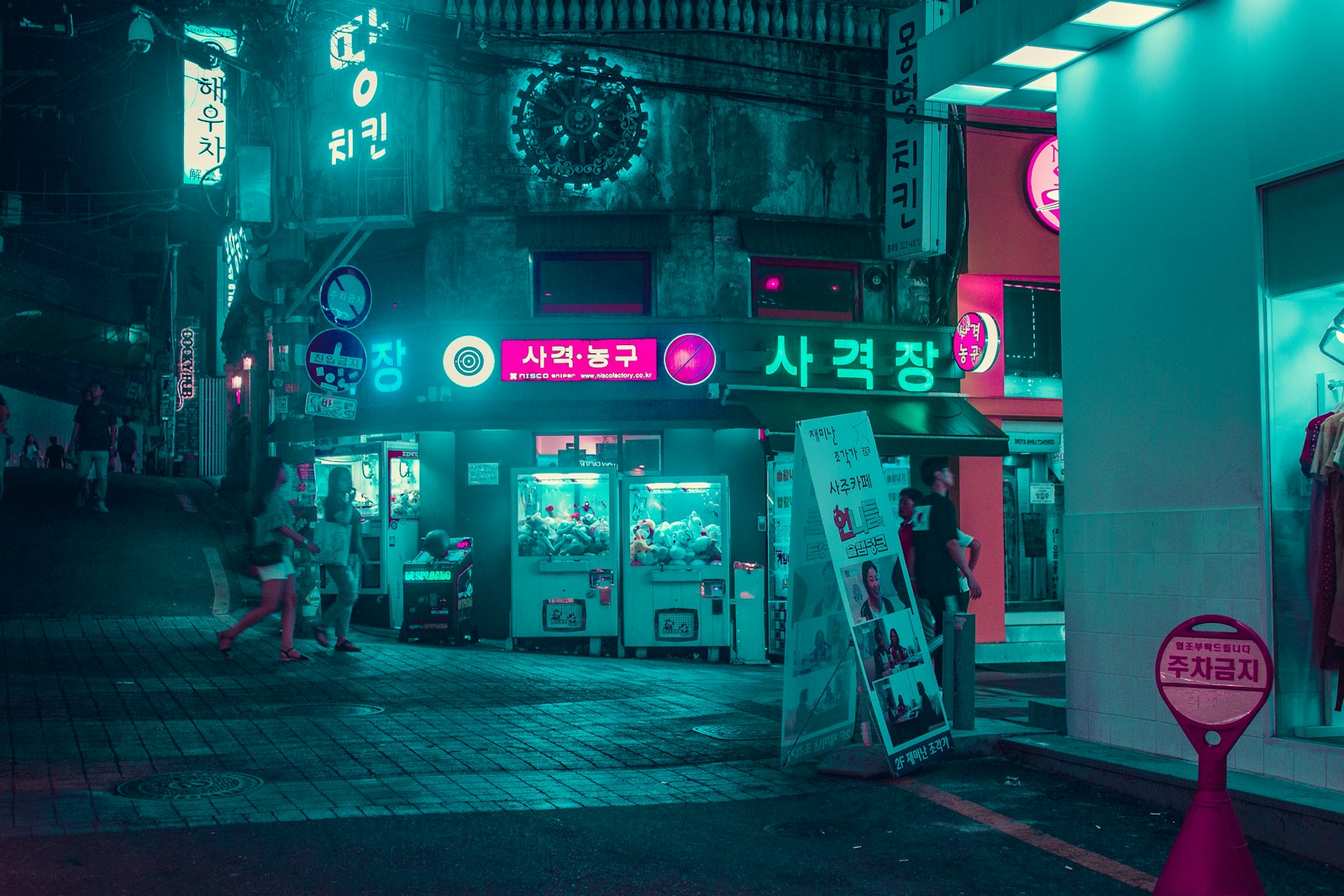
KAIST, the DMZ, and Shin Ramen at 2am
Korea was different. Where Hong Kong was vertical and frantic, Korea had a different energy — intense but structured. KAIST (Korea Advanced Institute of Science and Technology) was surrounded by research labs and students who genuinely worked until midnight.
I visited the DMZ four times. Each time it hit differently. Standing at Dora Observatory with binoculars, watching guard towers in a country that technically doesn’t exist in peacetime — that’s not something a travel guide prepares you for.
But it wasn’t all heavy history. Korea is also 2am convenience store runs for shin ramen cooked in the store’s hot water station. K-beauty aisles in Olive Young that took an hour to navigate. Karaoke boxes and street tteokbokki that would make you cry — in a good way.
I ate kimchi at every meal for a year. My gut has never been better. My skin cleared up. I am a convert.
Why Everything on This Site Starts With Food
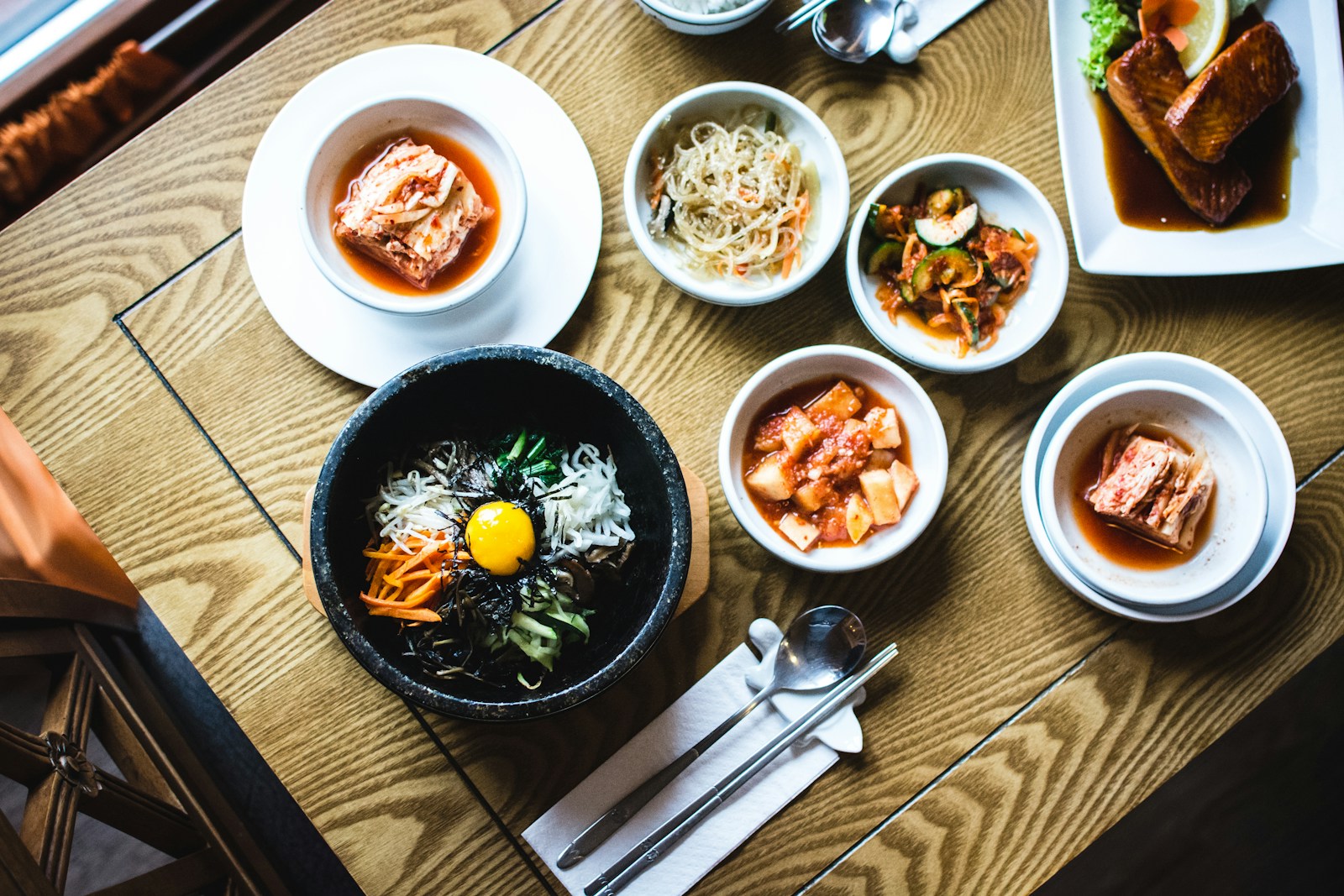
You can’t understand Korean culture without understanding Korean food. It’s not a side dish — it’s the entire framework. A meal isn’t just what you eat. In Korean, “have you eaten?” is the way people ask if you’re okay.
Bibimbap. Kimchi jjigae. Shin ramen at every hour of the day or night. Tteokbokki that burns and satisfies simultaneously. Korean barbecue where the whole table participates. Matcha from Jeju Island that tastes like the soil it grew in.
Every product recommendation on this site comes from a meal I ate, a store I walked into, or a product I watched Koreans and Hong Kongers use in their daily lives. Not a sponsored post. Not a press trip. Daily life.
The KimchiBoy Timeline
City University of Hong Kong. Math teacher. Typhoon season. Dim sum every weekend. First encounter with a culture that treats food as a social contract.
KAIST University area. Four DMZ visits. Daily kimchi. K-beauty Olive Young rabbit holes. Shin ramen becomes a personality trait.
Started sharing the real Asia — not the tourist version. DMZ content goes viral. 23,000 subscribers. 62 million views. The world wants to see what’s actually there.
Every product, food, and gear recommendation from two years of living in Asia. Not sponsored. Not guessed. Actually used.
The Great Firewall. Street food in Shanghai. More DMZ-level content. Following with Holafly eSIM — the one that actually bypasses the block.
Why KimchiBoy Is Different
Anyone can make a list of “Best Korean Products.” Here’s the difference.
Actually Lived There
Two years as a resident, not a tourist. Shopped where locals shop. Ate where no guidebook points. Learned what Koreans actually use at home vs what they sell to tourists.
No Paid Promotions
Every product here is something I personally bought, used, and kept using. Affiliate commissions come from Amazon and Holafly — but the recommendations exist because they’re genuinely good.
Specific, Not Generic
Not “Top 10 Korean Snacks.” Specific brands, specific reasons, specific context. Jongga kimchi because it’s what Korean families actually buy. OSULLOC matcha because it won four international awards. Details matter.
FAQ About KimchiBoy
Where is KimchiBoy from?
European, currently based in Switzerland. Spent two years in Asia — one year at City University of Hong Kong, one year in the KAIST area of South Korea — before returning to Europe. The channel and site are built on what those two years taught.
Is KimchiBoy a professional content creator?
The channel started as a way to document real experiences, not as a business. 23,000 subscribers and 62 million views later, it has become a serious project. But the goal has never changed: honest content about a part of the world most people only see through a tourist lens.
Why no face on camera?
A deliberate choice. The content is about the places, the food, the culture, and the experiences — not about the person making it. Many of the most-watched travel channels are faceless. What matters is what you show, not whether you show yourself showing it.
Are the product recommendations sponsored?
No. The affiliate links (Amazon Associates and Holafly) generate commissions when you buy — but the products were chosen long before any affiliate program existed. The Jongga kimchi was in the cart before the affiliate account. The Holafly eSIM was used in China before the partnership. That’s the order it happened.
What’s coming next?
China. October/November 2026. Shanghai, Beijing, the Great Wall — filmed with a Holafly eSIM bypassing the firewall, and a Nikon P950 at 83× zoom. The content will be on YouTube and this site. Subscribe to not miss it.