
Visiting the DMZ: What I Saw, What I Missed, and What to Actually Bring
4 visits. No binoculars the first time. Here’s everything I learned the hard way.
North Korea revised its constitution to formally call South Korea a “hostile state,” while deepening military ties with Russia and China. Full update here →
This guide contains affiliate links (Amazon Associates, Holafly) — I earn a small commission if you buy through them, at no extra cost to you.
I visited the DMZ during my year at KAIST University in Daejeon, South Korea. I went with no binoculars, no superzoom camera, and no real idea of what to expect. I stood at Dora Observatory for forty minutes squinting at a grey horizon and could just about make out a very large flagpole in the distance. That was North Korea. The people around me with binoculars and long lenses were watching a completely different country.
This is everything I know about visiting the DMZ — what it actually looks like, what you can realistically see, how to get there, and what I would bring now that I have done it the hard way first.
What the DMZ Actually Is
The Korean Demilitarized Zone is a 4km-wide, 250km-long buffer strip that cuts across the Korean Peninsula at roughly the 38th parallel. It was established by the 1953 Armistice Agreement that ended active fighting in the Korean War. The zone itself is technically uninhabited and has become one of the most heavily fortified borders on Earth, lined with landmines, barbed wire, guard towers, and military infrastructure on both sides.
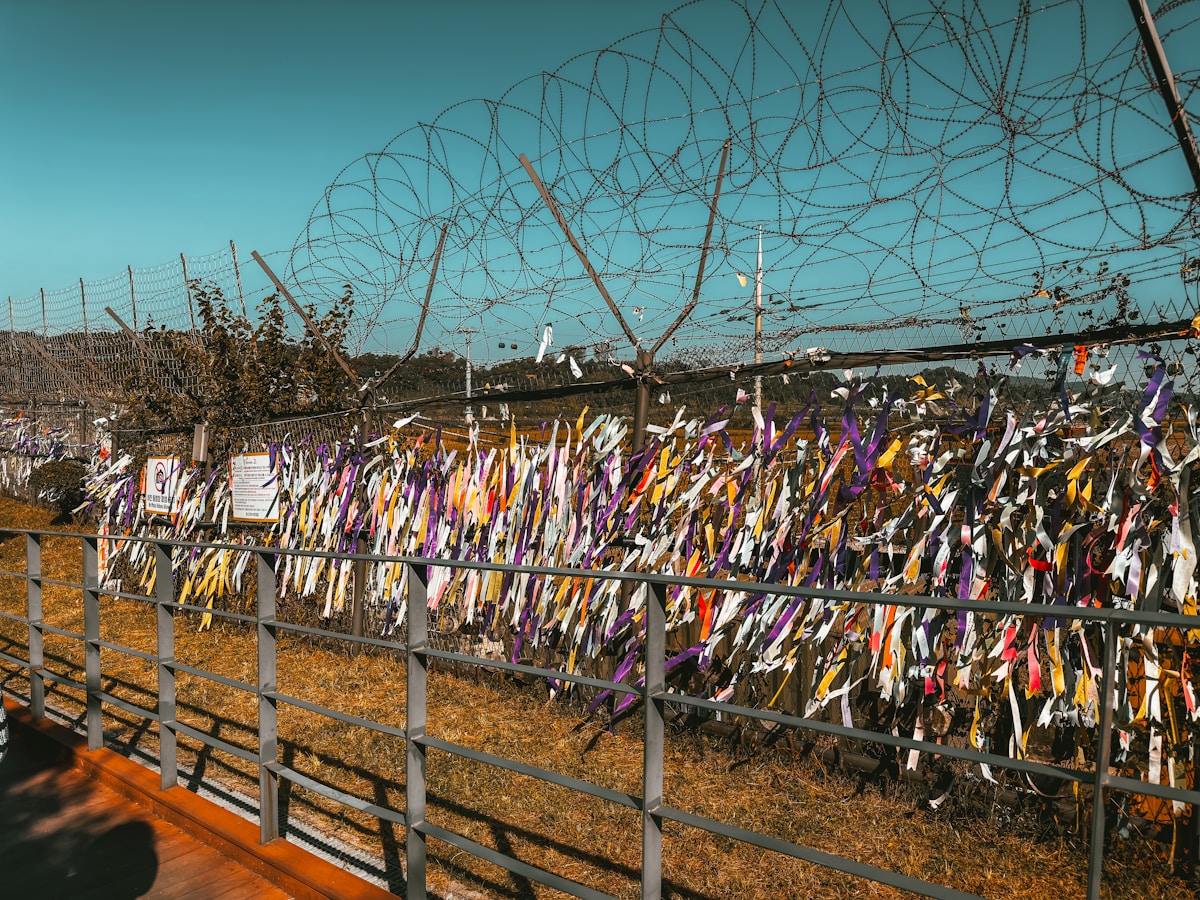
The South Korean side has been opened to carefully controlled civilian tourism. Every visitor enters as part of an organised tour, and access to the most sensitive areas requires advance booking, passport checks, and in some cases military escort.
The most commonly visited sites are Dora Observatory (where you stand on a viewing platform and look directly into North Korea), the Third Infiltration Tunnel (a North Korean tunnel dug under the border, discovered in 1978), Dorasan Station (the southernmost train station in South Korea, built in the hope of one day running trains to Pyongyang), and the Joint Security Area (JSA) at Panmunjom, where South Korean and North Korean soldiers stand metres apart.
Getting There From Seoul
The easiest way to get to the DMZ from Seoul is a day tour. Several operators run buses from central Seoul — typically departing from near Hongik University station or the War Memorial of Korea. The journey takes about two hours each way, and tours usually last a full day including multiple stops.
You can also take the subway to Dorasan Station via the Gyeongui-Jungang Line, though independent access beyond the station is restricted. For the observatory and tunnel, a tour is your only realistic option.
I took a tour out of Seoul during my time at KAIST. Book online, bring your passport, show up at the meeting point. Budget a full day. The buses leave early and return by evening.
What You Can Actually See From Dora Observatory
Dora Observatory sits on a hill overlooking the DMZ. There is a viewing platform with coin-operated binoculars (bring change), a painted line on the railing showing the direction to look, and large signs explaining what is visible in each direction.
On a clear day you can see the Kijong-dong flagpole — one of the tallest flagpoles in the world, flying a North Korean flag the size of a tennis court. You can see the village of Kijong-dong itself, which South Korean officials refer to as a propaganda village. You can see North Korean guard posts on the ridgeline. On very clear days you can see movement.
With the naked eye, and even with the coin binoculars on the platform, it is impressive but distant. Everything is between two and five kilometres away. A 10x binocular brings those guard posts much closer. A 20x or 30x zoom on a camera at maximum telephoto starts to show real detail — the structures, vehicles, infrastructure, occasional figures.
The people I watched at Dora Observatory who seemed most satisfied were the ones who had brought their own 10×50 binoculars and one person who had a superzoom camera with a lens that looked like it belonged on a telescope. They were photographing things nobody else could see.
What I Would Bring Now
I was underprepared. If I were going again, I would bring three things:
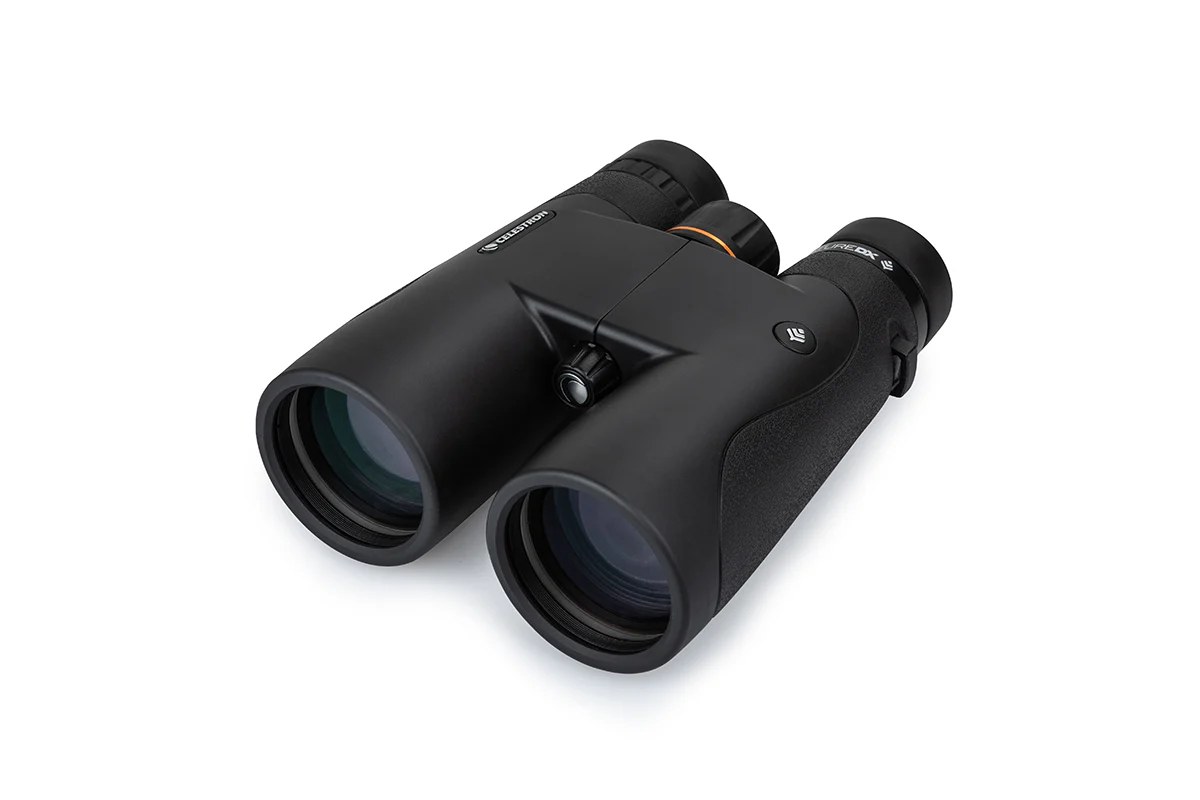
10× magnification brings the Kijong-dong flagpole close enough to read the fabric. 50mm lenses gather enough light for overcast Korean days. The single most impactful upgrade for the DMZ. I went without them the first time. Never again.
Binoculars let you see. A superzoom lets you document. At maximum zoom this camera can photograph individual guards and architectural details from several kilometres away. This is what the serious photographers at Dora were using.
The tour is a full day. Your phone runs navigation, camera, translation and messaging simultaneously. I had a power bank confiscated at a Chinese airport for lacking the 3C certification mark. The Baseus CCC-certified bank I now travel with passes every Asian customs checkpoint without issue.
The Third Tunnel
The Third Infiltration Tunnel is one of four tunnels discovered beneath the DMZ, dug by North Korea. The third is the largest found and the one open to visitors. It runs 73 metres below ground and stretches 1.7km toward Seoul, large enough to move an estimated 30,000 soldiers per hour.
You descend at a steep angle in a helmet (mandatory, the ceiling is low in places), walk along the tunnel floor, and reach a viewing point 170 metres from the military demarcation line. North Korea claimed, when confronted, that it was a coal mine. There is no coal in the area. They had painted the tunnel walls black as evidence. This is noted on the signs inside.
The Joint Security Area (JSA)
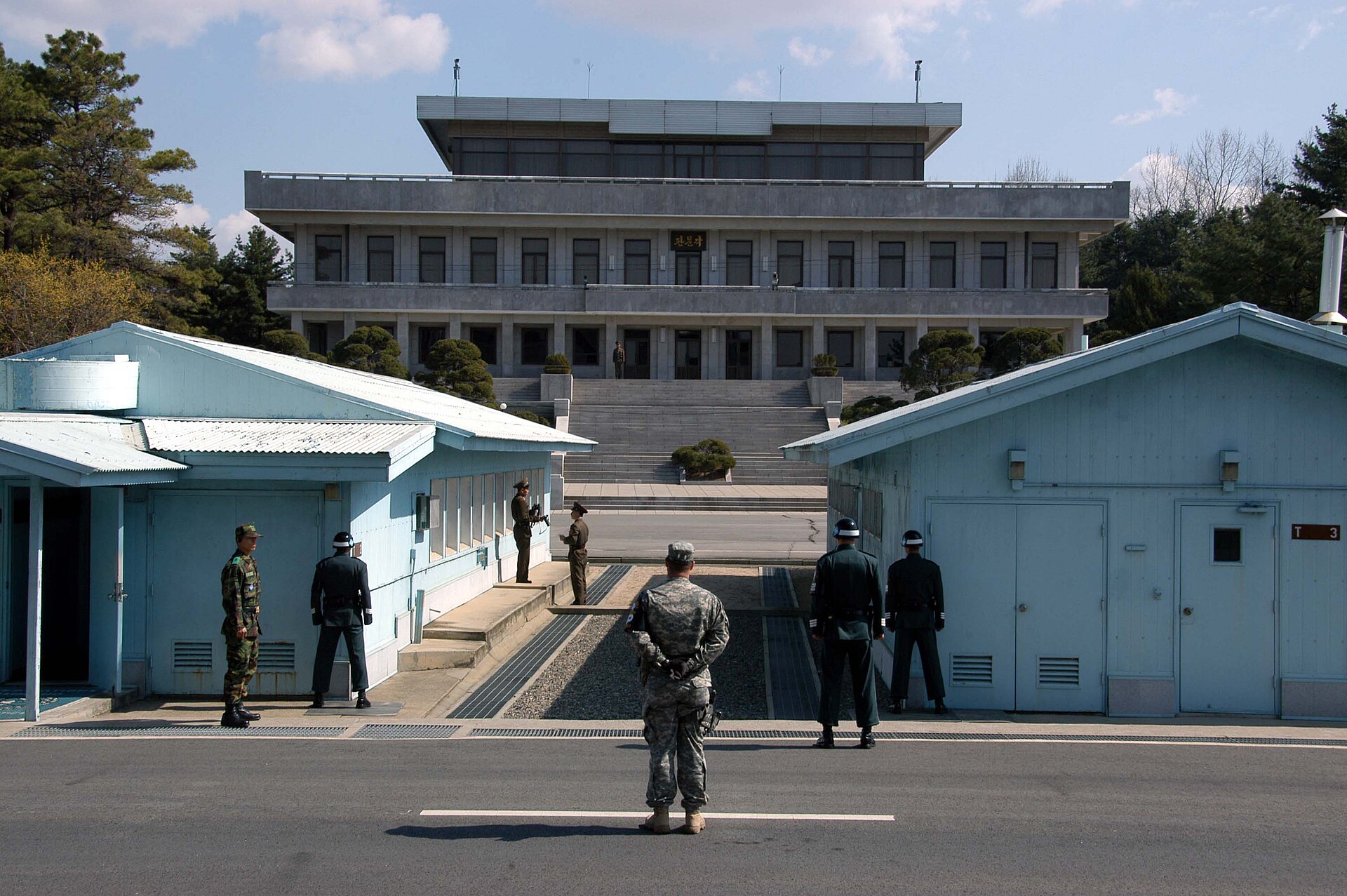
The JSA at Panmunjom is the most famous part of the DMZ — the blue conference buildings, the soldiers standing face-to-face across the military demarcation line, the symbolic border. This is where the 1953 armistice was signed.
Access is more restricted than the standard DMZ tour. You need to book specifically for a JSA-included tour, your passport is checked and cross-referenced against a list, and there is a dress code enforced at the entrance (no shorts, no torn clothing, no sandals). The military escort is close and the instructions are detailed.
It is absolutely worth the extra effort. Standing in one of the blue buildings with your feet literally on both sides of the border is something that is hard to explain to people who have not been there.
Practical Information
DMZ Quick Reference
- Passport: Mandatory. A copy is not accepted.
- Photography: Allowed at most points. Follow the guide’s instructions exactly.
- Dress code: Enforced at the JSA. Smart casual minimum. Shorts = turned away.
- Best time: Spring (Apr–May) and autumn (Sep–Oct) for clear visibility.
- Cost: Standard tours ~$40–60 USD. JSA-included ~$80–120.
- Language: English-language tours widely available.
Frequently Asked Questions
Do you need a guided tour to visit the DMZ?
Yes, for most DMZ sites. The JSA (Panmunjeom), Dora Observatory, and the 3rd Tunnel all require going through an authorised tour operator. You cannot drive yourself to the border and walk in. Tours depart from Seoul daily and typically last 5–8 hours. Book at least 2–3 days in advance.
How close to North Korea do you actually get at the DMZ?
At the Joint Security Area (JSA/Panmunjeom), you stand metres from North Korean soldiers and can cross the Military Demarcation Line into the blue conference buildings. At Dora Observatory, you look into North Korea across roughly 2km of the Demilitarised Zone using binoculars provided on-site.
What’s the dress code for visiting the DMZ?
Standard DMZ tours (Dora Observatory, 3rd Tunnel) don’t enforce a strict dress code, but the JSA specifically does: no shorts, no torn or ripped clothing, no sandals or open-toe shoes, no sleeveless tops. Smart casual is the safe baseline — long trousers and closed shoes if you’re doing the JSA leg.
What should I bring to the DMZ?
Passport (mandatory — no entry without it), comfortable walking shoes, layers (the tunnels are cold year-round), a valid South Korea eSIM or data connection for navigation, and a camera (photography rules vary by site — follow your guide). Long trousers are required at JSA.
Is the DMZ safe to visit?
Yes. Millions of tourists visit every year without incident. The South Korean and US military manage access carefully. The area is a controlled environment and you are always accompanied by a licensed guide or military escort.
How far is the DMZ from Seoul?
About 55km north of Seoul — roughly 1 to 1.5 hours by coach depending on traffic and the specific site. Most tours depart from central Seoul pick-up points near Gyeongbokgung or Dongdaemun in the early morning.
Final Thought
The DMZ is one of the most genuinely strange and historically weighted places I have been. You are standing at the edge of an active military standoff that has lasted over seventy years, looking at a country that most of the world never sees this close. It deserves more than a squint across a viewing platform.
Bring binoculars. See it properly.
One practical note: most DMZ tours return to Seoul by early afternoon. If you have not eaten properly — and you probably have not, the tours run early — kimbap from any GS25 is the move. It is what Koreans eat on day trips: rice rolls with sesame-seasoned fillings, under ₩1,000 a pack. Fast, filling, and genuinely good.
Want to See This Yourself?
You can’t visit the DMZ independently — you need a licensed tour operator. The one I’d actually book includes a real North Korean defector Q&A alongside the 3rd Tunnel and suspension bridge. 4.9★ across 20,062 reviews.
Planning a Korea Trip?
Don’t arrive without data. I use Holafly eSIM — active before the plane lands, no SIM card swap, unlimited data. Use code KIMCHIBOY for 5% off.
The Korea & Asia Travel Checklist
Everything I actually pack — gear, docs, food, DMZ essentials. Built from a year living in Seoul.
One printable page — everything to do 30/14/7 days before your flight, packing musts, and day-one steps. Drop your email and it's yours.