
What Is PDRN?
Korea’s Viral Salmon-DNA Serum
From clinic-only injections to a $15 pink serum that’s sold over 50,000 bottles a month — what PDRN actually is, and whether it’s worth it.
· Updated 2026 · 6 min read
This page contains Amazon affiliate links. I earn a small commission at no extra cost to you.
3 Real PDRN Products, Compared
| Category | Medicube | Rejuran | Dr.Reju-All |
|---|---|---|---|
| PDRN concentration | 10,000ppm | 5,000ppm | 1,200ppm |
| Extra actives | Peptides, niacinamide, collagen | Minimal — PDRN-focused | Copper peptides, HA, collagen |
| Price | $18.90 | $52.00 | $24.90 |
| Amazon reviews | 4.7 · 4,174 | 4.4 · 1,284 | 4.5 · 237 |
| Best for | Max PDRN, one-bottle routine | Clinical, single-ingredient purity | Sensitive skin, gentlest option |
PDRN is the ingredient behind most of the “glass skin” content flooding K-beauty TikTok right now — usually shown as a little pink bottle or pink jelly-like ampoule. It sounds like marketing nonsense (skincare made from salmon?) but it’s actually one of the more clinically-studied ingredients to cross over from medicine into cosmetics.
What PDRN Actually Is
PDRN stands for polydeoxyribonucleotide — purified DNA fragments extracted from salmon (specifically chum salmon or salmon trout). The DNA goes through an extensive purification and sterilization process that strips out all proteins and allergens, leaving a fragment that’s over 95% pure. DNA’s basic building blocks are conserved across species, which is why a salmon-derived fragment can signal human skin cells at all.
It didn’t start as a beauty ingredient. PDRN was developed in medicine to treat chronic wounds and diabetic ulcers, and has a real safety track record — a five-year post-marketing study covering over 300,000 prescriptions found no immune reaction. Korean dermatologists started adapting it for aesthetic injections in the early 2000s, and it’s only in the last few years that it’s shown up in consumer serums instead of clinic-only treatments.
How it actually works
PDRN works two ways: it activates adenosine A2A receptors, which are involved in controlling inflammation and triggering tissue repair, and it supplies skin cells with ready-made nucleotides — the raw material for DNA repair — instead of making cells build them from scratch. A clinical study on wound healing found a 37.3% healing rate with PDRN versus 18.9% for a placebo.
Why It’s Suddenly Everywhere
The ingredient itself isn’t new — the injectable version has been used in Korean clinics for two decades. What’s new is the consumer version. Medicube’s PDRN Pink Peptide Serum in particular went viral on TikTok Shop, showing up constantly in glass-skin routines and dermatologist-recommendation videos. Reviewers online report firmer, plumper, brighter skin within two to four weeks of daily use.
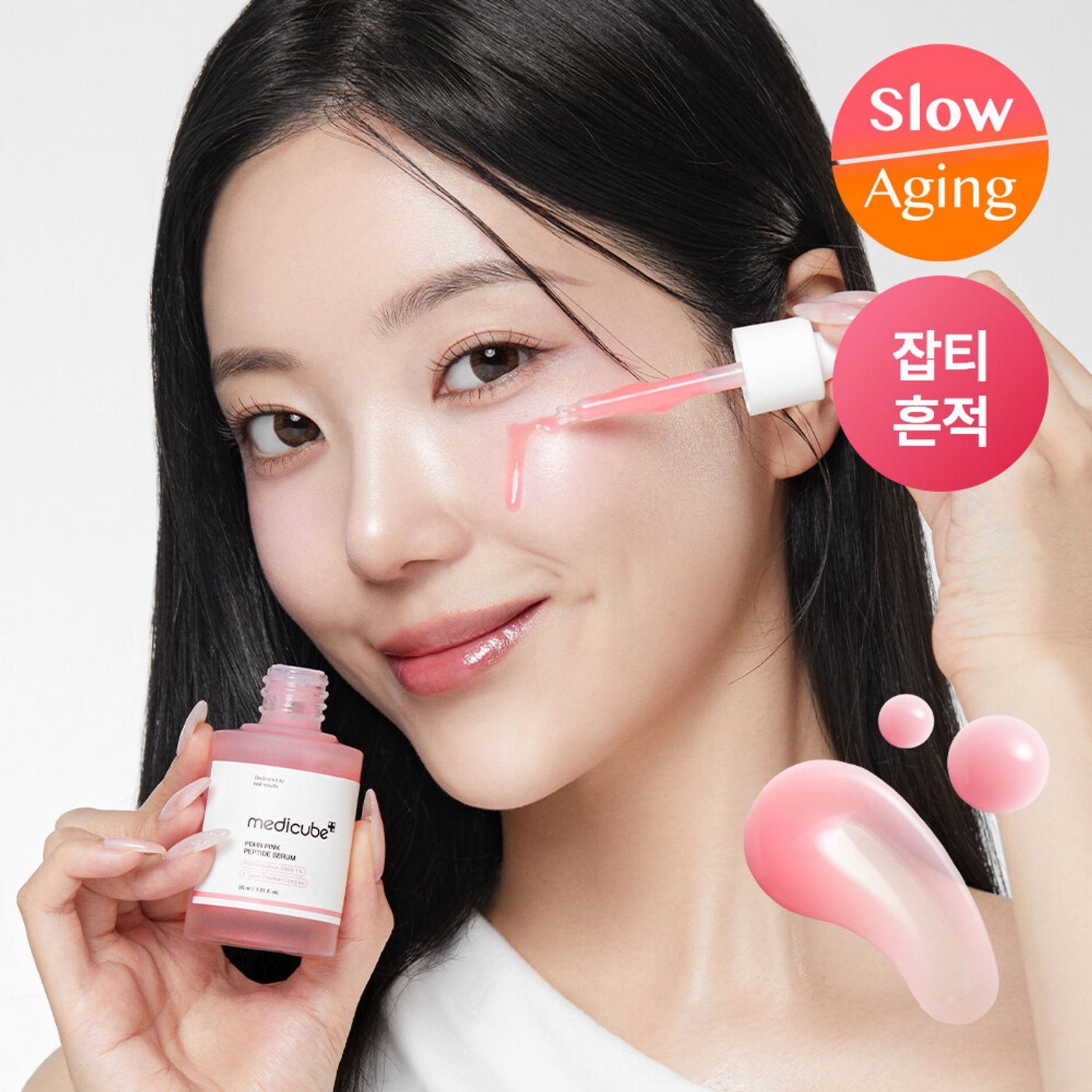
Medicube PDRN Pink Peptide Serum
Combines 10,000ppm salmon-derived PDRN with a 5-type peptide complex (including copper tripeptide-1 and acetyl hexapeptide-8, which relaxes micro-expressions), niacinamide, adenosine, and hydrolyzed collagen. The pink tint comes from vitamin B12, not dye. Over 50,000 units sold in a single month on Amazon.
Serum vs. Injection — What’s the Difference?
They’re not the same experience, and it’s worth knowing that before you buy. A clinic injection delivers PDRN directly into the dermis, at a controlled concentration, under medical supervision — that’s where the dramatic before/after results Korean clinics are known for actually come from. A topical serum works on the skin’s surface layer instead, at a much lower effective dose, and has to get past the skin barrier before it does anything.
Practically: injections are a clinic visit, cost more, and show faster, stronger results (typically visible within days). Serums are a $15-30 bottle you use daily at home, and show gradual results over weeks, not days. Neither is “fake” — the serum uses the same real ingredient, just a different delivery method and dose. Go in expecting a genuinely good hydrating, repair-focused serum, not an at-home substitute for the injection.
How to Actually Use It in a Routine
PDRN serums are water-based and go on clean, slightly damp skin, before heavier creams and oils — the same “thinnest to thickest” rule that applies to most serums. Standard order: cleanser, toner if you use one, PDRN serum, then moisturizer, then sunscreen in the morning. It layers fine under most other actives, but a few pairings are worth knowing:
Fine with: hyaluronic acid, niacinamide, peptides, ceramide moisturizers — these are the ingredients PDRN is most commonly formulated alongside anyway.
Use with more caution: high-strength vitamin C (pure L-ascorbic acid) and retinoids on the same night, since both can increase sensitivity — many people alternate PDRN in the morning and retinoids at night, or use them on different days, rather than stacking everything at once. If your skin is generally reactive, patch-test on your inner arm for 24 hours before applying to your face, same as with any new active.
PDRN vs. Other “Glass Skin” Ingredients
PDRN gets grouped in with the rest of Korea’s glass-skin ingredient list, but it’s not doing the same job as the others. Worth knowing the difference before assuming they’re interchangeable:
PDRN vs. snail mucin (like the COSRX Snail Mucin covered on this site’s Korean skincare habits page): snail mucin is mainly a hydrator and soothing agent, built around glycoproteins and hyaluronic acid. PDRN works one level deeper, signaling the cells themselves to repair, which is why it has actual clinical wound-healing data behind it and snail mucin doesn’t in the same way.
PDRN vs. niacinamide: niacinamide is a vitamin B3 derivative that helps with oil control, tone evenness, and barrier support — it’s a maintenance ingredient. PDRN is closer to a repair ingredient. They’re commonly formulated together (the Medicube serum above includes both) rather than competing with each other.
PDRN vs. hyaluronic acid: hyaluronic acid holds water in the skin — it’s a humectant, not a repair signal. It plumps skin temporarily by hydrating it; PDRN is working on the cellular repair process underneath. Most PDRN serums include some hyaluronic acid too, since the two do genuinely different jobs.
The Original: Rejuran
If Medicube’s serum is the ingredient’s TikTok breakout moment, Rejuran is where PDRN actually started. Rejuran pioneered PDRN in Korean clinics in the early 2000s under the name “Healer” — the injectable version dermatologists have been using for two decades — and now sells a consumer version, the Turnover Ampoule (c-PDRN 0.5%), built on the same patented extraction process.
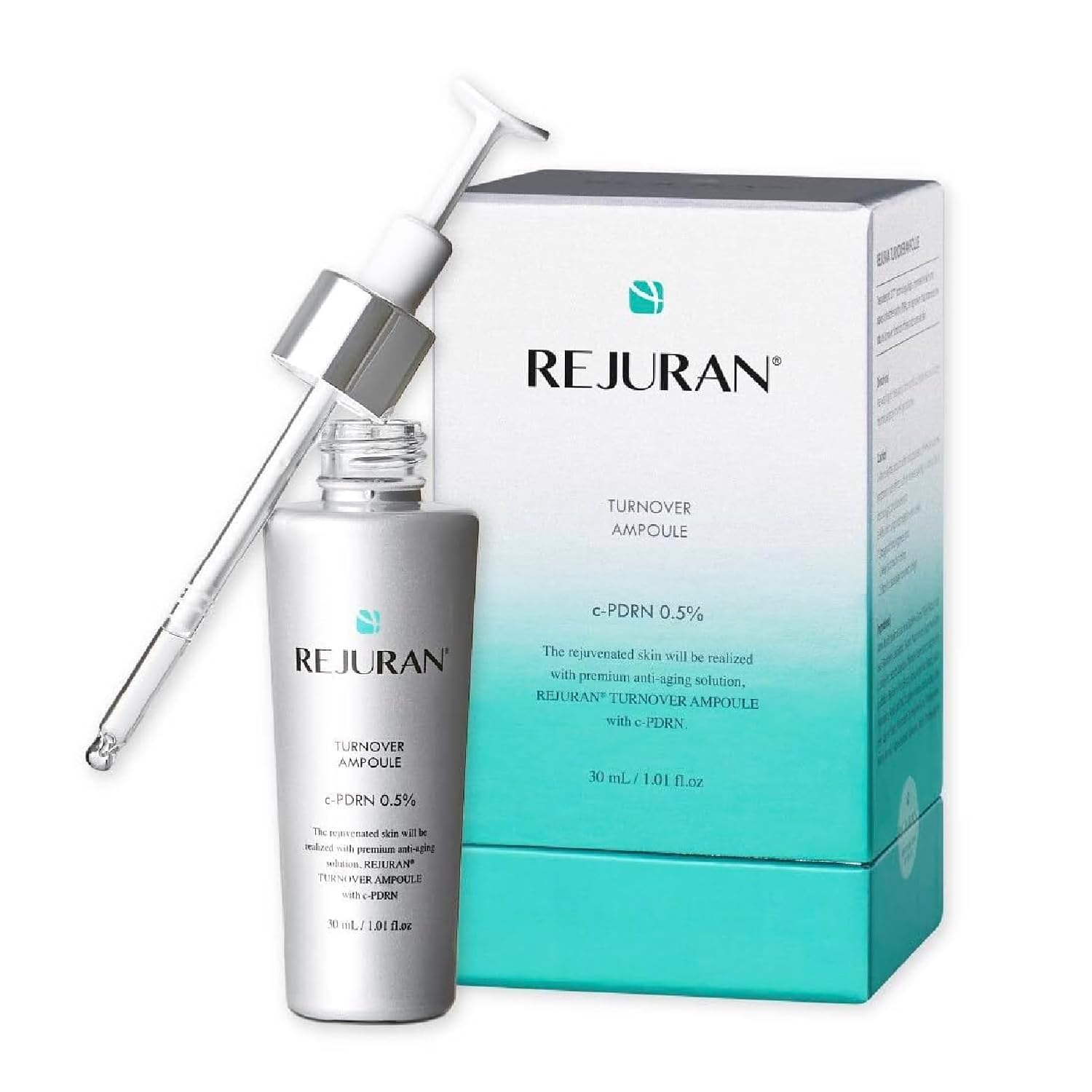
Rejuran Turnover Ampoule
A single-ingredient-focused ampoule rather than a multi-peptide formula — this is the option for people who want PDRN itself at a higher, more clinic-like concentration, without the added actives. More clinical, less “TikTok trend,” same core science.
The Gentlest Option: Dr.Reju-All
If Medicube is the TikTok breakout and Rejuran is the clinic original, Dr.Reju-All is the one to reach for if you want something dermatologist-verified and formulated for sensitive skin specifically. It’s also sold at Costco, which says something about how mainstream it’s become. The Advanced PDRN Copper Peptide Serum pairs PDRN with encapsulated copper peptides (GHK-Cu), hyaluronic acid, and hydrolyzed collagen — and it’s rated “Excellent” for skin compatibility by Germany’s Dermatest, with a 0.00 irritation index.
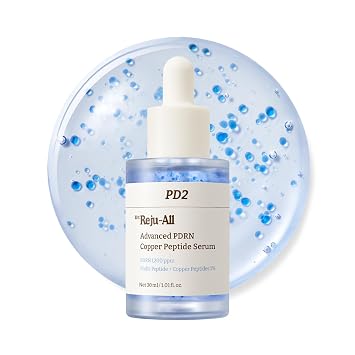
Dr.Reju-All Advanced PDRN Copper Peptide Serum
Copper peptides are encapsulated in small capsules within the serum to keep them stable until use, then combined with hyaluronic acid and hydrolyzed collagen. Also sold as a face cream, cream max, and lip serum if you want to build a fuller PDRN routine from one brand.
A Note on Sourcing
Since the raw ingredient is fish-derived DNA, it’s a reasonable question whether it’s safe for people with fish or seafood allergies. The purification process removes proteins — allergens are protein-based, and PDRN itself is a nucleotide, not a protein — which is part of why the injectable form has such a clean safety record in clinical use. That said, “clinically low-risk” isn’t the same as “guaranteed safe for you specifically” if you have a known severe fish allergy — patch-test first, and check with a dermatologist if you’re unsure.
One more honest expectation-setter: if you’re expecting injection-level, filler-like plumping from a $20 bottle, you’ll be disappointed. If you’re expecting a solid hydrating, brightening serum built on a genuinely well-studied ingredient, that’s a fair expectation — see the serum-vs-injection breakdown above for the full picture.
FAQ
Is PDRN actually salmon sperm?
Yes, the raw material is DNA extracted from salmon sperm cells (chum salmon or salmon trout), but it’s heavily purified and sterilized before use — the final ingredient is over 95% pure polynucleotide, with proteins and allergens removed.
Is PDRN safe?
The injectable medical form has a long safety record — a five-year study covering over 300,000 prescriptions found no immune reaction. Topical serums are a gentler, lower-concentration delivery method with an even lower risk profile, though as with any new skincare ingredient, patch-testing is sensible.
How long until I see results?
Most users report firmer, plumper, brighter-looking skin within two to four weeks of daily use — this is a gradual-improvement ingredient, not an overnight one.
Can I use PDRN with retinol or vitamin C?
Generally yes, but many people space them out rather than layering everything the same night — PDRN in the morning, retinol at night, for example — since combining multiple active ingredients at once can increase sensitivity for some skin types.
Which PDRN product should I actually buy — Medicube, Rejuran, or Dr.Reju-All?
Medicube for the highest PDRN concentration (10,000ppm) in an all-in-one formula with peptides and niacinamide. Rejuran for the most clinical, single-focus option from the brand that pioneered PDRN. Dr.Reju-All for the gentlest, dermatologist-verified option if you have sensitive skin or want copper peptides alongside PDRN — though its PDRN concentration (1,200ppm) is lower than the other two.
Is Rejuran better than Medicube’s serum?
Different goals, not strictly “better.” Rejuran’s Turnover Ampoule is a more concentrated, single-focus PDRN product from the brand that pioneered it clinically. Medicube’s serum blends a lower PDRN concentration with peptides, niacinamide, and collagen for a more all-in-one formula. Rejuran suits people who want PDRN itself; Medicube suits people who want PDRN as part of a broader routine in one bottle.