

Quick answer: yes, you can use Google, Instagram and WhatsApp in China without a VPN — by using an international roaming eSIM instead of a local Chinese SIM or Wi-Fi. Because roaming data routes through your home network’s international carrier, China’s Great Firewall never applies to it. A Holafly China eSIM starts around $19 for 5 days.
Why China Is Different From Every Other Country
Most people know about the Great Firewall — China blocks Google, Instagram, WhatsApp, YouTube, and most Western apps. Travellers usually handle this one of two ways: buy a local Chinese SIM (subject to the same blocks), or use a VPN (unreliable, often throttled, sometimes a legal grey area for tourists).
What most people don’t know: international roaming data bypasses the firewall entirely. Because you’re technically still on your home network, routed through an international carrier, China’s domestic internet filtering was never built to apply to it.
📱 A local SIM won’t help
Chinese SIMs run on Chinese networks — same blocks apply. It solves “having data,” not “the firewall.”
🔓 Roaming isn’t circumventing anything
You’re not breaking through a block — you were never inside the block in the first place.
⚡ Works from the moment you land
No VPN app to configure, no server list to test, no “is it working today” gamble.
💳 Chinese apps work either way
WeChat Pay, Alipay, Meituan, Didi were never blocked — they work the same on roaming or a local SIM.
Is Using a VPN in China Actually Illegal?
Worth being precise about this instead of hand-waving it. Officially, yes — the U.S. State Department’s China travel advisory states that using an unauthorized VPN is illegal and could theoretically result in a fine or device confiscation. Only government-approved VPNs (mostly used internally by corporations) are technically legal.
What Actually Works — and What Doesn’t
On roaming data, everything you’d normally use abroad works exactly as it does at home: Google, Gmail, Google Maps, Instagram, WhatsApp, YouTube, X. Chinese apps that aren’t blocked in the first place — WeChat, Alipay, Meituan, Didi — work identically whether you’re on roaming or a local SIM, since the firewall was never the thing stopping you from using those.
What an eSIM doesn’t give you: a local Chinese phone number for calls or SMS, and most data-only eSIMs won’t let you receive an SMS verification code from a Chinese service that requires a +86 number (some apps, like a bank or a local delivery service, may ask for this during signup). If you need a real local number, that still means a physical Chinese SIM alongside your eSIM, not instead of it.
That’s exactly what a Holafly eSIM gives you — international roaming data, not a local Chinese connection. It’s the legal, zero-hassle way to use Google and Instagram in China as a tourist.
eSIM vs Local SIM vs VPN — Side by Side
The honest tradeoffs of each option for accessing Western apps in China.
| Roaming eSIM | Local Chinese SIM | VPN | |
|---|---|---|---|
| Bypasses the firewall | ✓ Yes, by default | ✗ No — same blocks apply | ~ If it’s still working that day |
| Legal clarity | ✓ Not a grey area | ✓ Fine, just doesn’t solve the block | ~ Grey area for tourists |
| Setup at airport | ✓ None — QR scan before you fly | ✗ Queue + passport registration | ✓ None |
| Local Chinese phone number | ✗ No | ✓ Yes | ✗ No |
How to Actually Set It Up
- Buy the plan online before you fly — Holafly emails the QR code, no physical shipping to wait on.
- Connect to wifi the night before your flight (home wifi, a cafe, anywhere) — you need internet once to install the eSIM profile.
- Scan the QR code under Settings → Mobile Data → Add eSIM (iPhone) or Settings → Network → SIMs → Add eSIM (Android wording varies by brand).
- Leave it off until you land — most eSIM plans activate on first network connection in the destination country, so there’s no wasted days sitting in your phone before departure.
- Turn on data roaming for the new eSIM line specifically, and set your home SIM to data-off if you want to avoid double charges — keep it on for calls/texts only.
What Is an eSIM and Why Does It Matter?
An eSIM is a digital SIM card built into your phone. Instead of buying a physical card at the airport (or waiting in a 45-minute queue), you scan a QR code and you’re connected — usually in under 2 minutes. I’ve used physical SIM cards across Asia for years. The eSIM switch was one of those “why didn’t I do this sooner” moments.
⏱️ No airport queue
Activate the night before your flight, not while jet-lagged at arrivals.
📞 Keep your home number
Home SIM stays active for calls and banking apps that need it.
🌏 One provider, 200+ countries
Same setup whether it’s Korea, Japan, China, or Southeast Asia.
🔋 No physical card to lose
Nothing to fumble with a SIM ejector tool for on a moving bus.
Real Experience
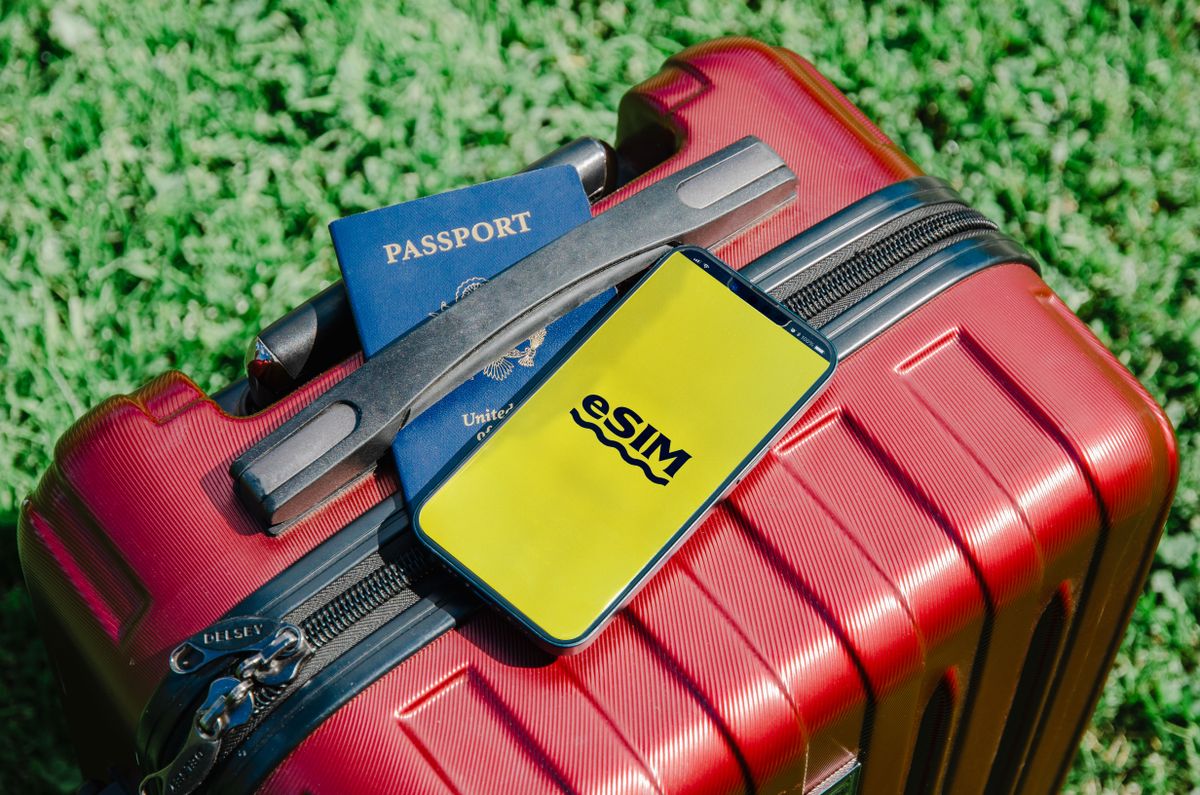
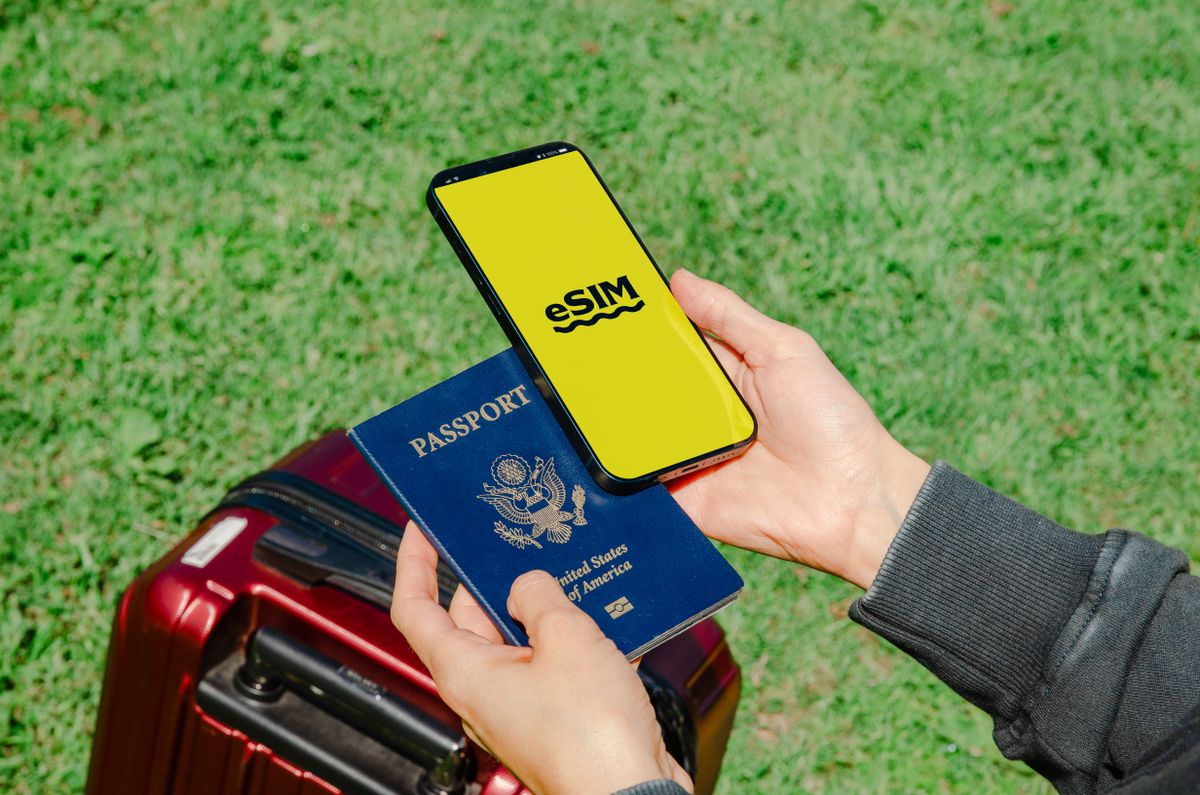
Activate before you land — airport wifi is always a nightmare, and you want data the second you’re off the plane.
I Tested Holafly Across 4 Asian Countries
I’ve used it in South Korea, Japan, China, and Hong Kong. Here’s the honest breakdown, country by country.
South Korea
Fast, reliable, unlimited data. Korea has some of the best mobile infrastructure in the world — the eSIM just plugs into it. Used it daily for subway navigation, Kakao Maps, and streaming on long bus rides.
Japan
Worked perfectly in Tokyo and Osaka. Speeds were strong enough to video call without issues. Japan’s network coverage is excellent — no dead zones I could find.
China — the one that matters
Google Maps worked. Instagram worked. WhatsApp worked. No VPN, no settings to change — it just worked from the moment I landed in Shanghai. This alone is worth the price of the eSIM.
Hong Kong
I lived in Hong Kong for a year studying at City University of Hong Kong. The local data is fast and the eSIM handled everything from dim sum restaurant research to typhoon weather alerts.
The code KIMCHIBOY is applied automatically through this link — no need to type anything at checkout.
Get 5% Off Holafly Now →Which Plan Should You Get?
Holafly sells unlimited data plans by destination and duration.
| China Plan Length | Price | Per Day |
|---|---|---|
| 5 days | $19 | $3.80 |
| 7 days | $27 | $3.86 |
| 10 days | $34 | $3.40 |
| 15 days | $47 | $3.13 — best value |
Cheaper per day the longer you stay. Compare that to a day of frantically hunting for working VPN apps in a hotel lobby and it’s not a close call.
- Korea only: the Korea plan (unlimited, great speeds)
- Multi-country Asia trip: the Asia regional plan — covers Korea, Japan, China, Hong Kong, Thailand, Vietnam and more
- China specifically: any plan that includes China — the firewall bypass is the key feature
Unlimited data · 4.6★ Trustpilot · works in China
Capped data (~3GB) · 3.9★ Trustpilot · can throttle mid-trip
Full breakdown: Holafly vs Airalo, tested side by side →
See all current plans and prices on the KimchiBoy eSIM guide.
Is Your Phone Compatible?
Most phones made after 2018 support eSIM. This includes all iPhone XS and later, Samsung Galaxy S20 and later, Google Pixel 3 and later, and most modern flagship Android phones.
Scan a QR Code. Use Google in Shanghai.
If you’re travelling to Asia — especially China — an eSIM is no longer optional. The days of hunting for a SIM card shop after a 12-hour flight are over.
Get Holafly — Code KIMCHIBOY for 5% Off →Affiliate link — small commission at no extra cost to you. I don’t recommend things I haven’t used personally.
Common Questions
Can I still use WeChat Pay and Alipay?
Yes — these are Chinese apps, not blocked by the firewall, so they work identically on roaming data or a local SIM. The firewall only blocks Western services; it was never the thing stopping access to Chinese apps.
Does the eSIM work outside major cities?
Coverage follows the same international roaming partner networks used for calls and data abroad generally — strong in cities and most tourist areas, with the usual rural dead zones you’d expect anywhere. It’s not meaningfully worse than a local SIM outside major hubs.
Do I need a backup physical SIM?
Not for data and app access — that’s what the eSIM covers. The only reason to also get a physical Chinese SIM is if you specifically need a local phone number for calls, texts, or an SMS verification code from a Chinese service.
Should I activate the eSIM before I land in China?
Yes — activate it the night before your flight or as soon as you have wifi. That way you land with working data immediately instead of relying on spotty airport wifi to get set up.
Related Reading
Heading to China specifically? See the full China trip checklist (apps, payments, what to do before you land) and the universal adapter that covers Chinese sockets too. And make sure your power bank is CCC-certified before you fly, or it gets confiscated at security.
Disclosure: This post contains affiliate links. I earn a small commission if you buy through them, at no extra cost to you. I only recommend products I use personally.
5% off, code auto-applied Get It →
One printable page — everything to do 30/14/7 days before your flight, packing musts, and day-one steps. Drop your email and it's yours.