Some links below are affiliate links. If you buy through them I earn a small commission at no extra cost to you. Every recommendation is gear I actually traveled with.
I lived a year in Seoul and a year and a half in Hong Kong, so I thought I knew Asia. Beijing humbled me in about an hour. It’s older, bigger and stranger than anywhere I’d been, and the five days I spent there with three friends ended up being the best trip of the year. Here’s exactly how it went, the good, the overwhelming, and the dish that made my lips go numb.
Getting there: Geneva to Beijing
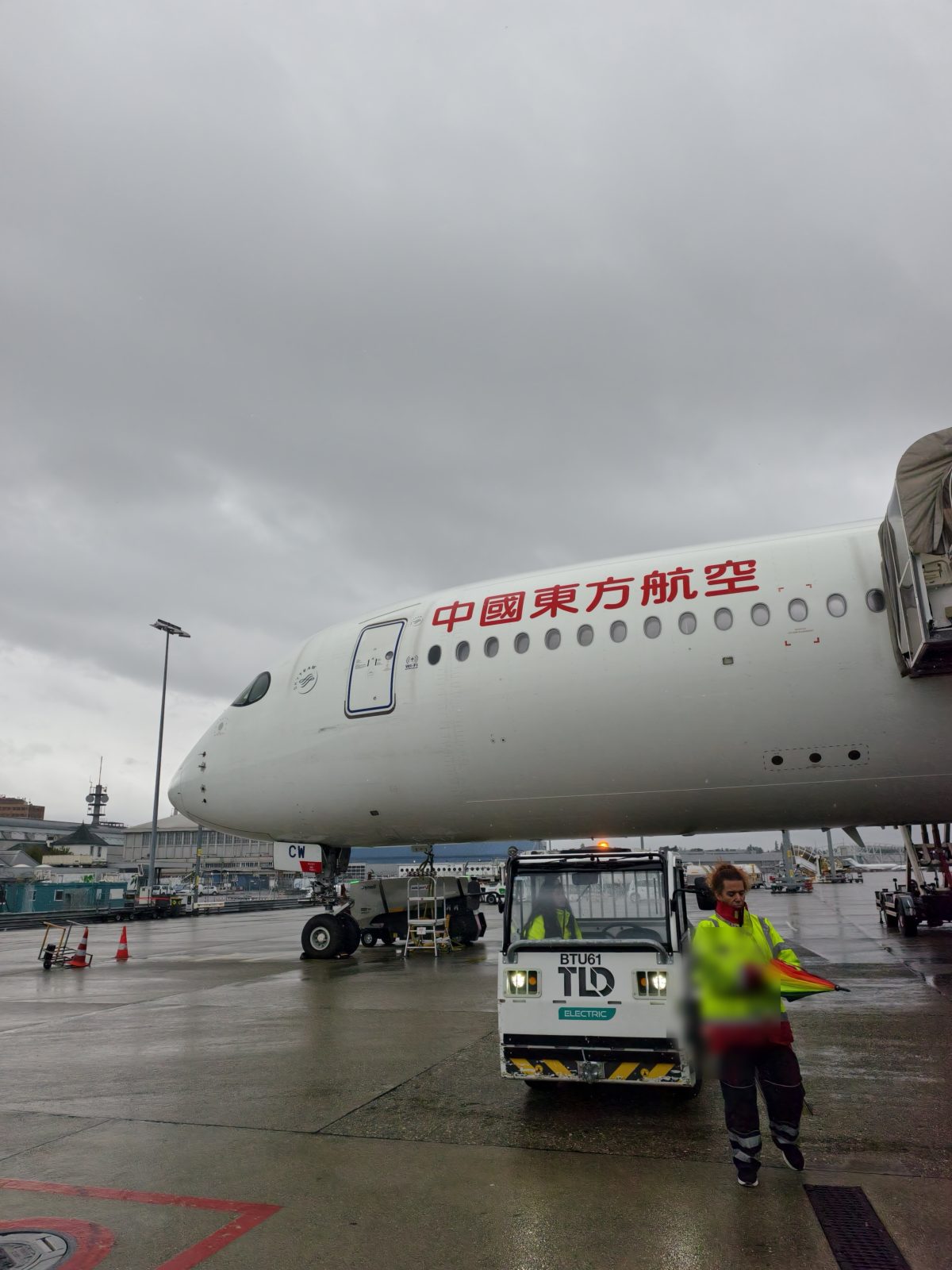
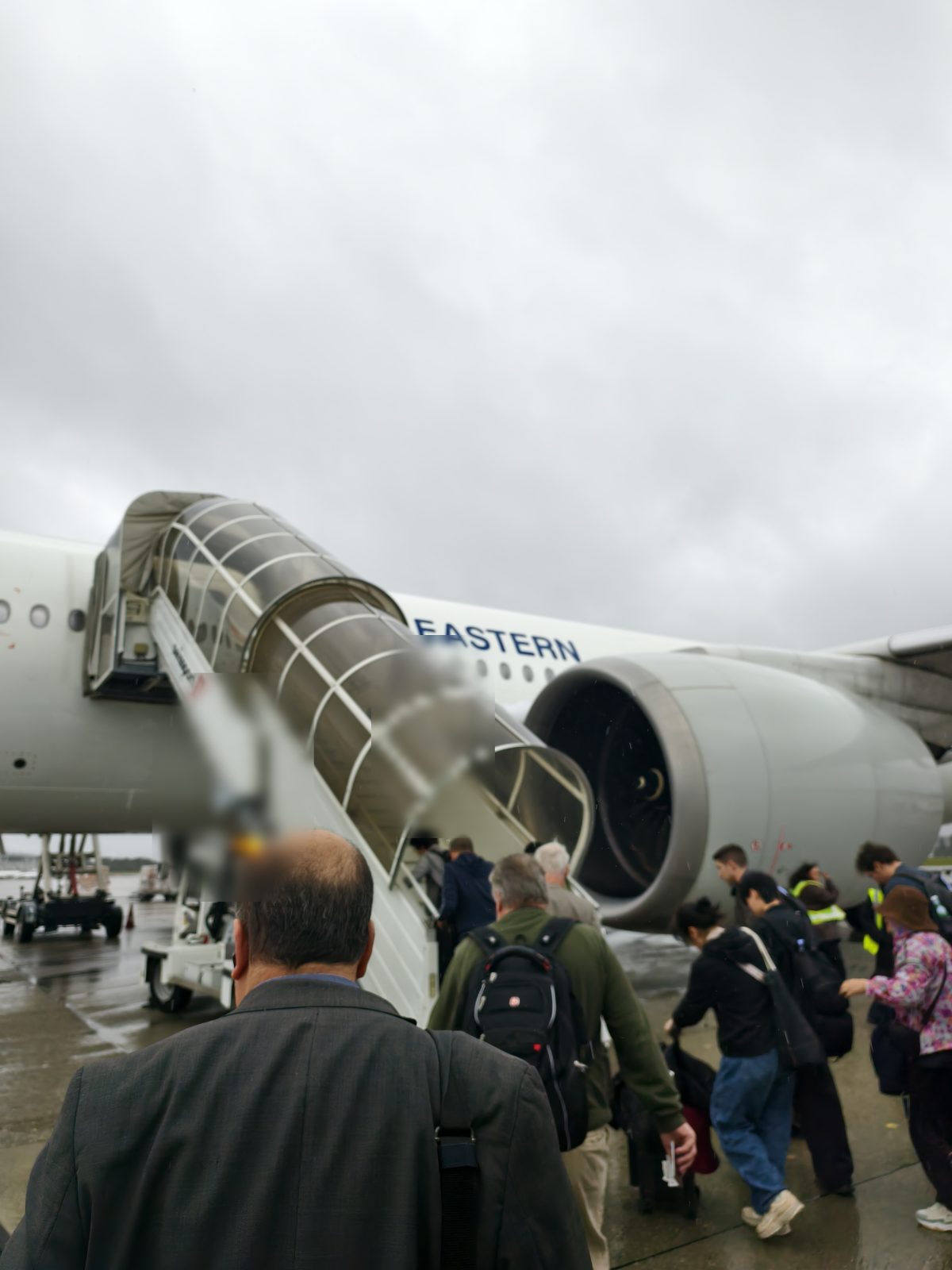
It started the least glamorous way possible, boarding a China Eastern A350 off wet stairs in Geneva in the rain. No jet bridge, no fanfare. Eleven hours later I was wheeling a bag past a PEK luggage tag and a sign that said 洗手间. The thing nobody warns you about: the second you land, your phone basically stops working. Google, WhatsApp, Instagram, all blocked. The two things that saved me were a China eSIM that routes around the firewall and a power bank that didn’t get taken off me at security (more on that disaster below).

The Imperial City
The Forbidden City is the kind of place where photos genuinely undersell it. 600 years of emperors, 9,000 rooms, and about 60,000 of us sharing the courtyard the day I went. The crowds in front of the Hall of Supreme Harmony are real. But walk to the very back, to the Imperial Garden, and it empties out, that’s where the emperors actually relaxed, and everyone else is rushing to the exit.


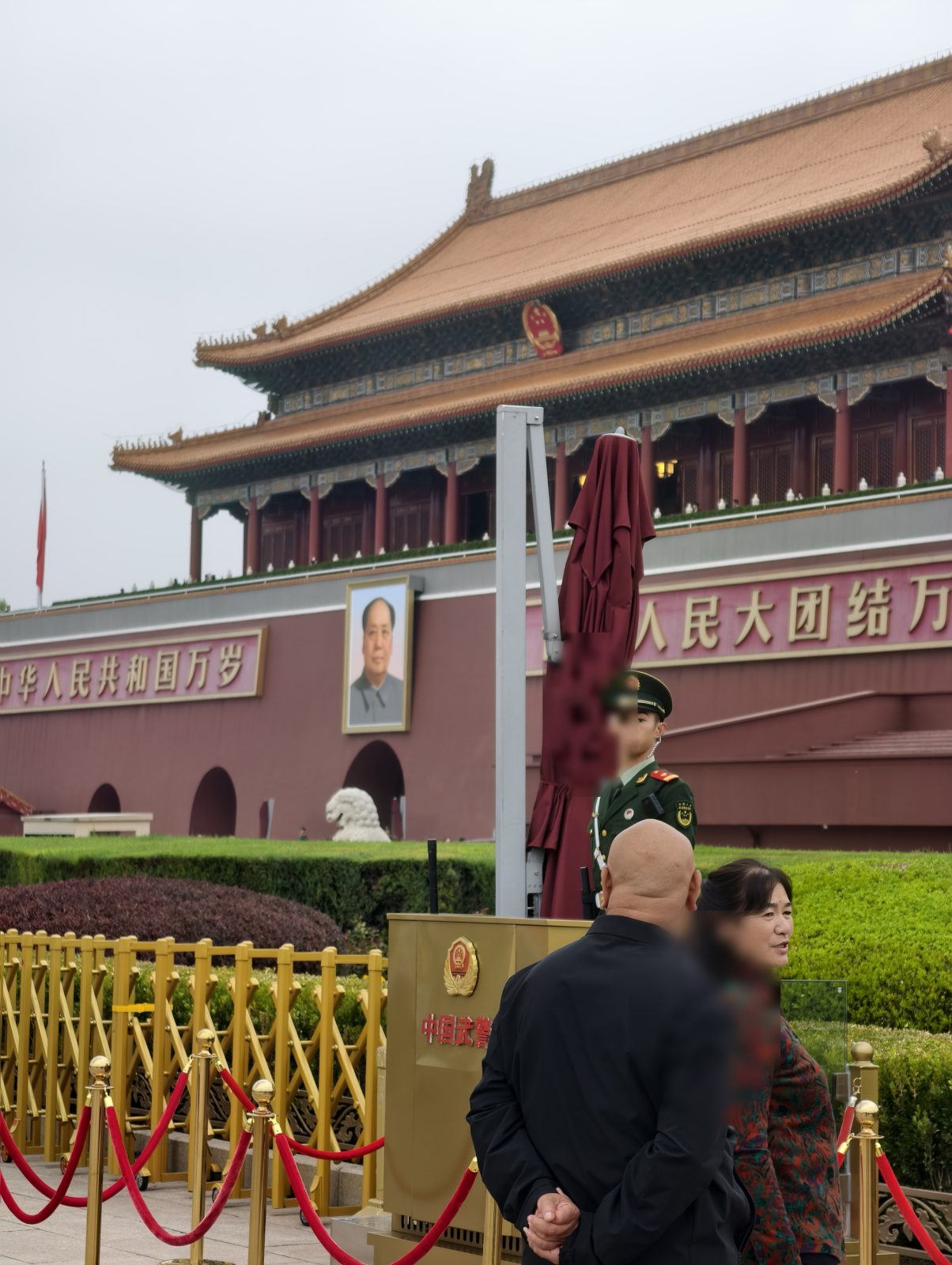
Then there’s Tiananmen. You feel the weight of it before you read a single sign, the Mao portrait, the gold slogans, the guards standing dead still. And for the best view in the city, climb Jingshan Park at sunset. The entire golden-roofed axis of the Forbidden City lays out below you while the sky goes pink. It’s free, it’s a ten-minute walk up, and it’s the photo at the top of this page.



The Summer Palace & the ruins of the Old one
If the Forbidden City is where the emperors worked, the Summer Palace is where they went to breathe. Lotus ponds, willow-lined bridges, and the insanely painted halls of Longevity Hill climbing up from Kunming Lake. After the brutality of the Wall (next section), spending a morning here felt like cheating.


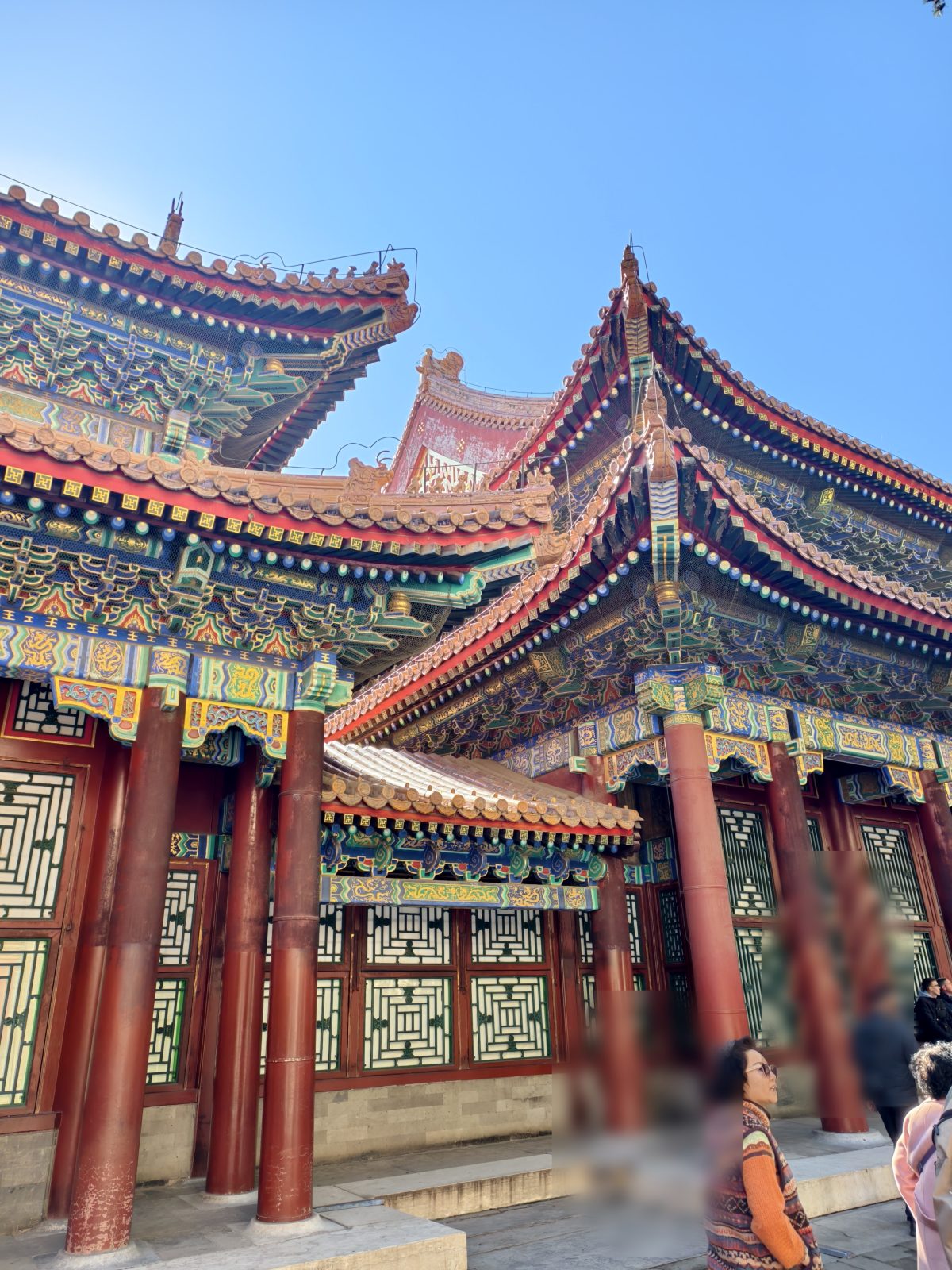

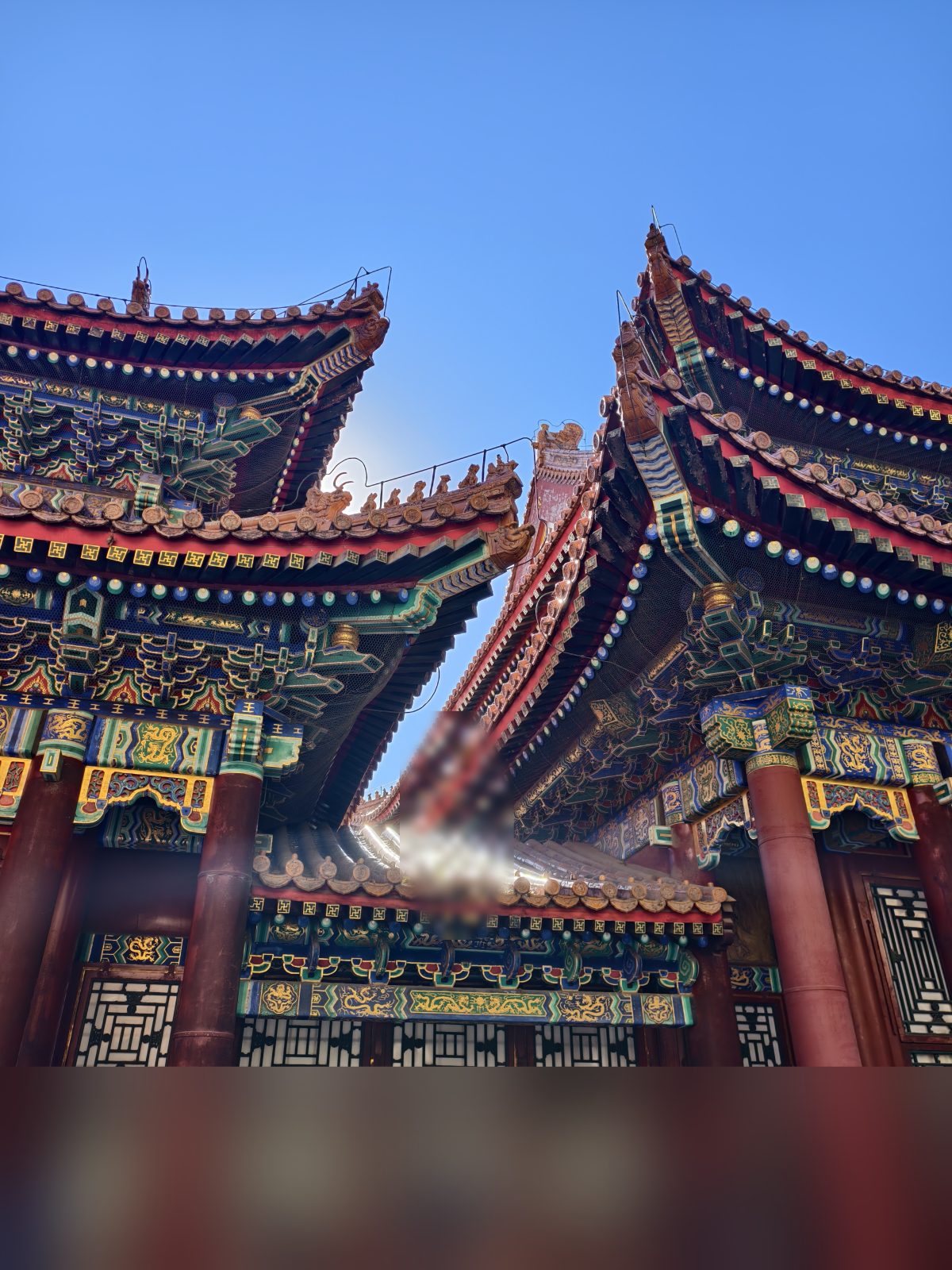

And then, a short ride away, the Old Summer Palace (Yuanmingyuan), which China deliberately never rebuilt. The baroque marble arches were left in pieces by European troops in 1860, and standing in front of them you understand exactly why they’re kept that way. It’s the one ruin in Beijing that’s meant to stay a ruin.

The Great Wall (Mutianyu)
We skipped Badaling (closest, most crowded) and took the hour-plus drive to Mutianyu instead. Worth every minute. In late October the mountains are rust and gold, the crowds thin out, and the Wall just… keeps going, over one peak and then the next and the next. Photos lie about it. They can’t show the climb, the wind, or the moment you realise it runs to the horizon in both directions.

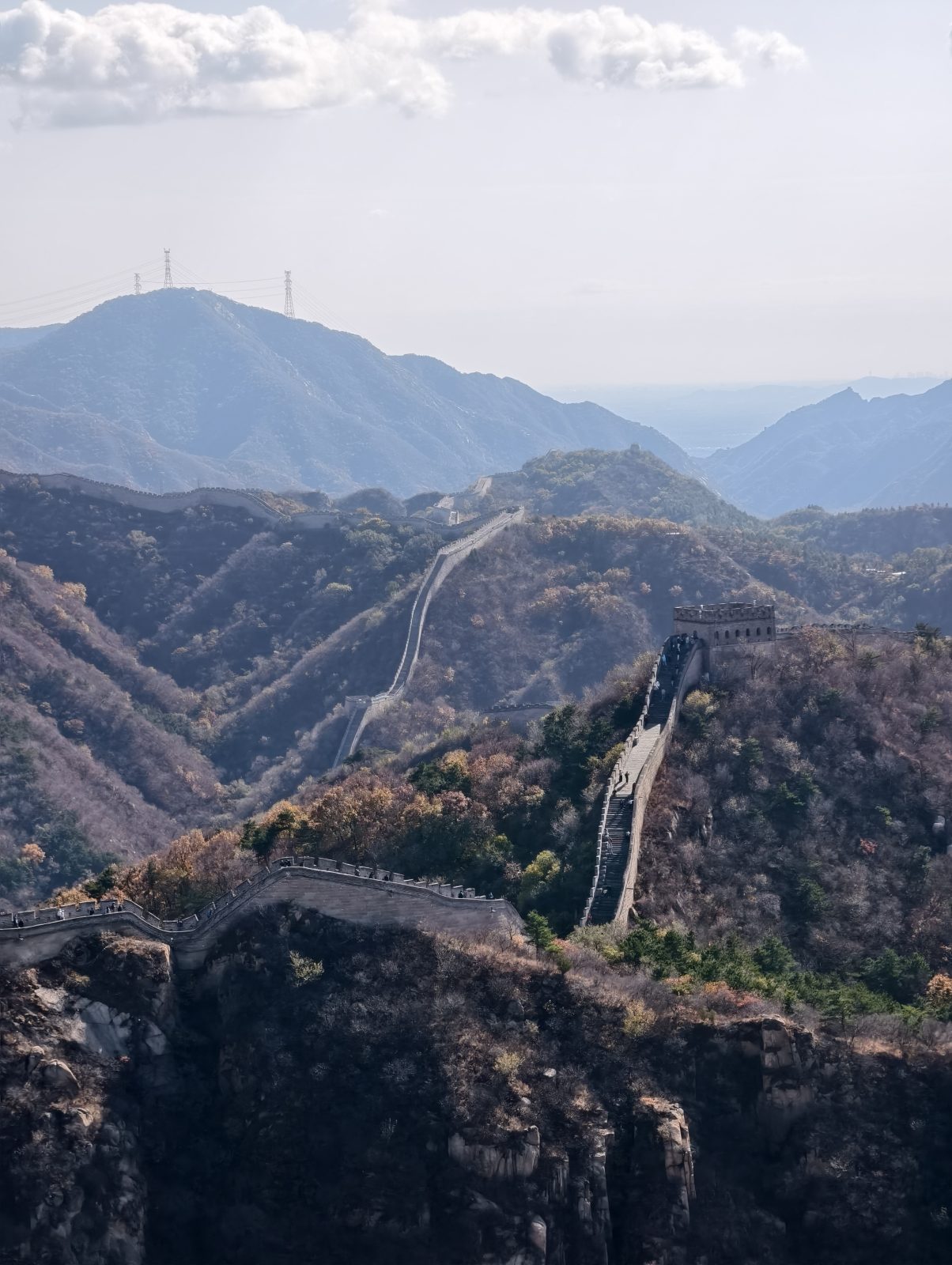


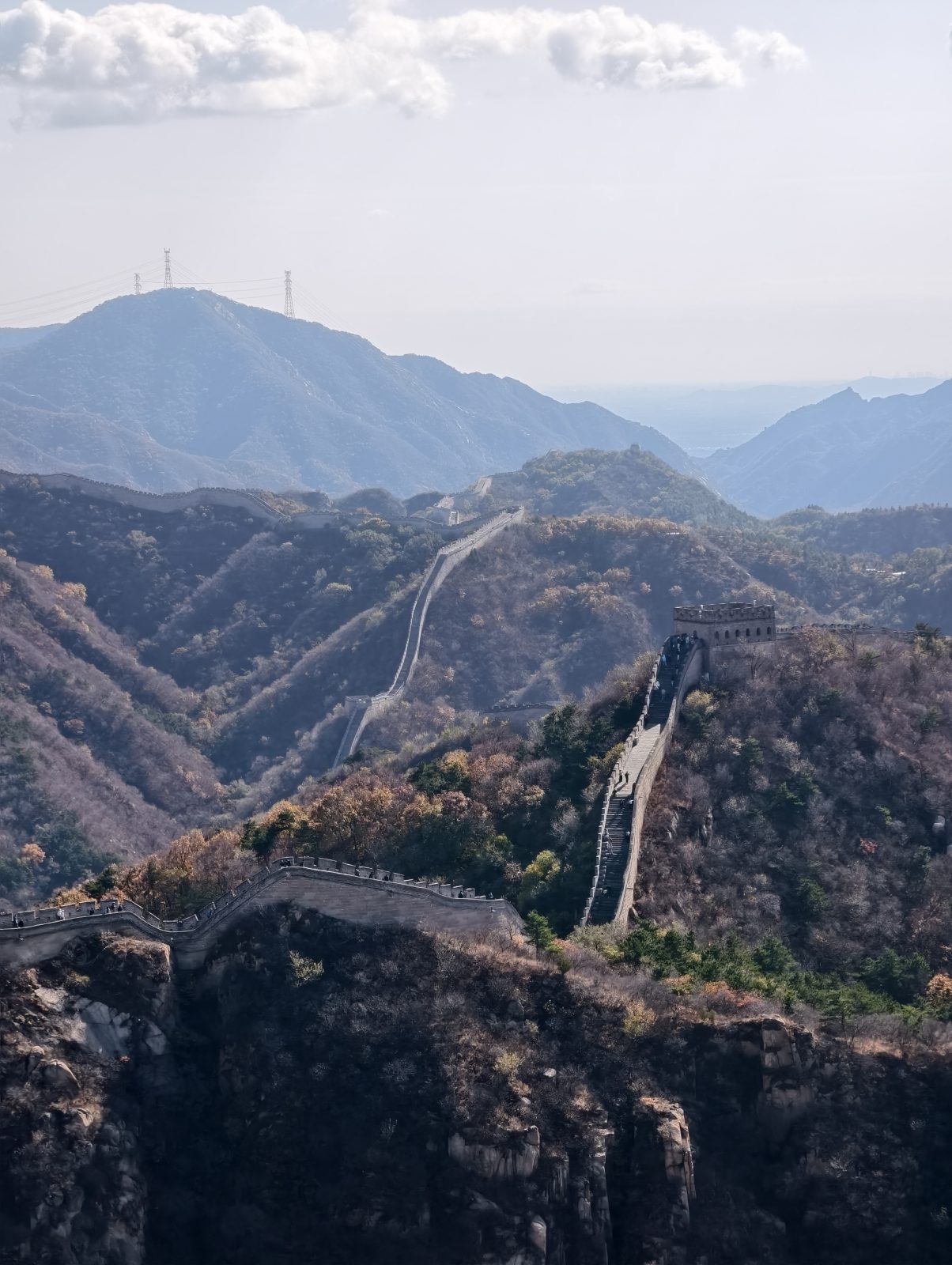

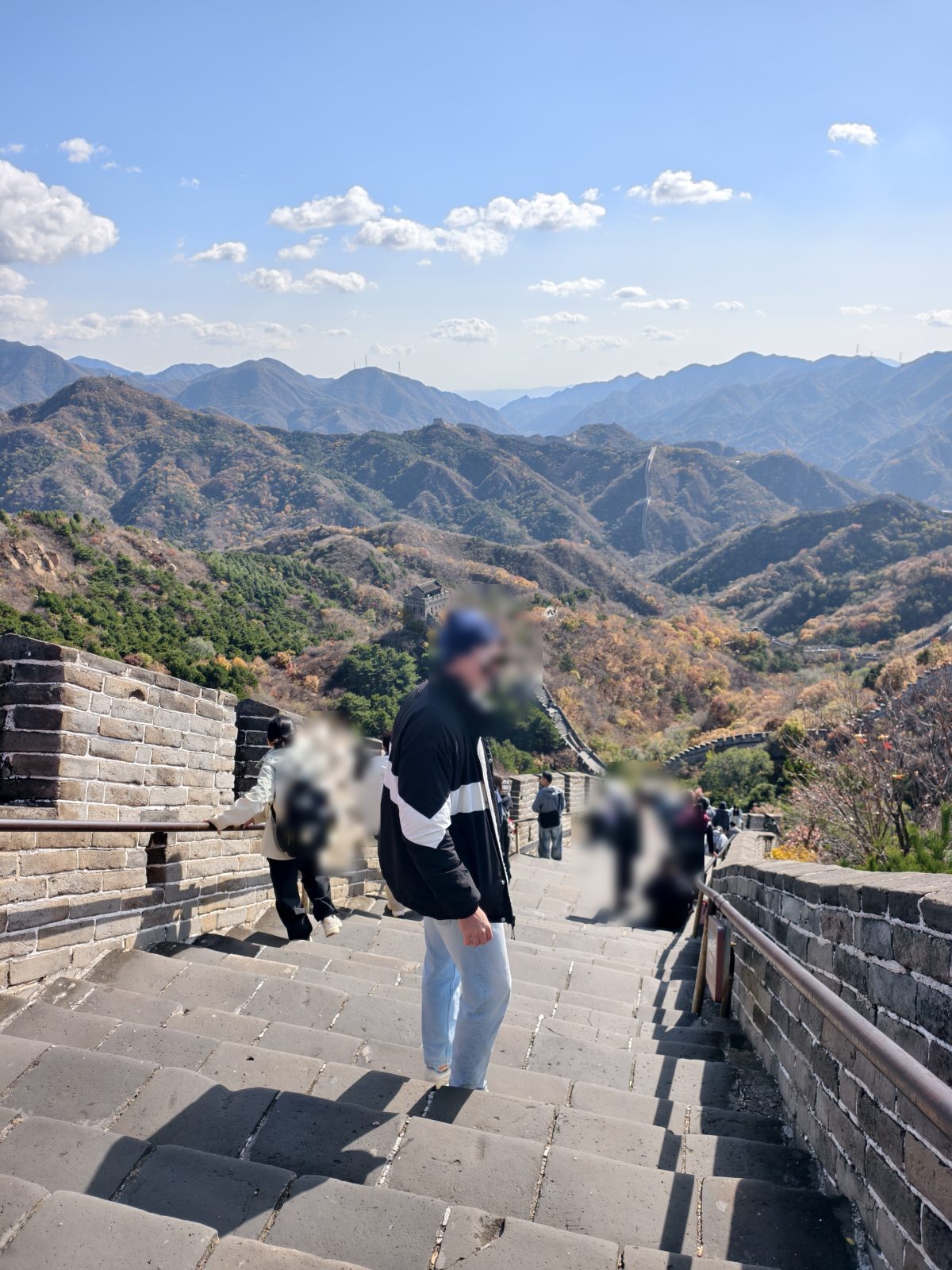

We went on our own, but if you don’t want to deal with transport and logistics, a private guide is genuinely worth it out here. You can find English-speaking Beijing and Great Wall guides on GoWithGuide, or check my China checklist for how we sorted the practical stuff.
What I ate (the real highlight)
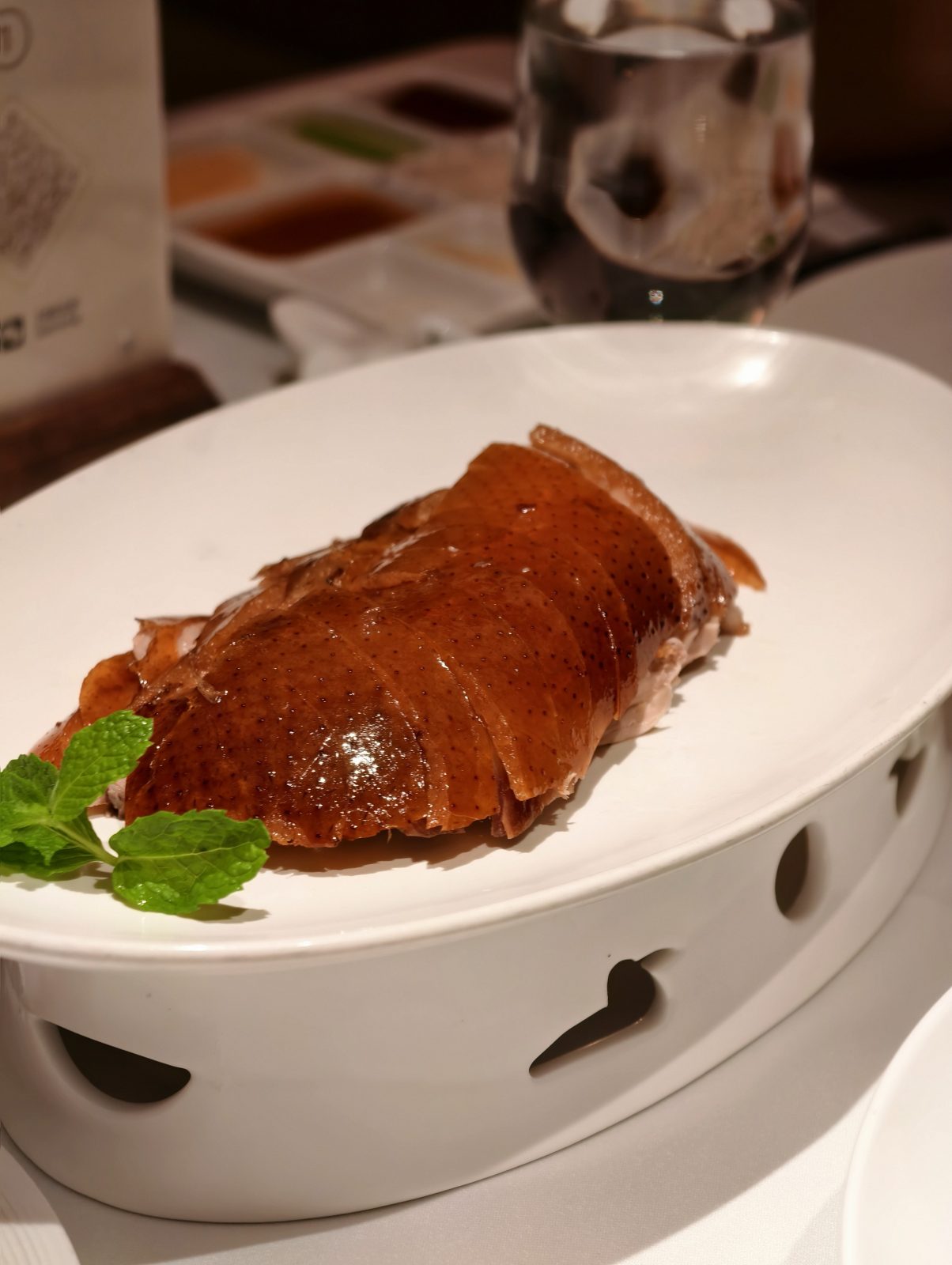
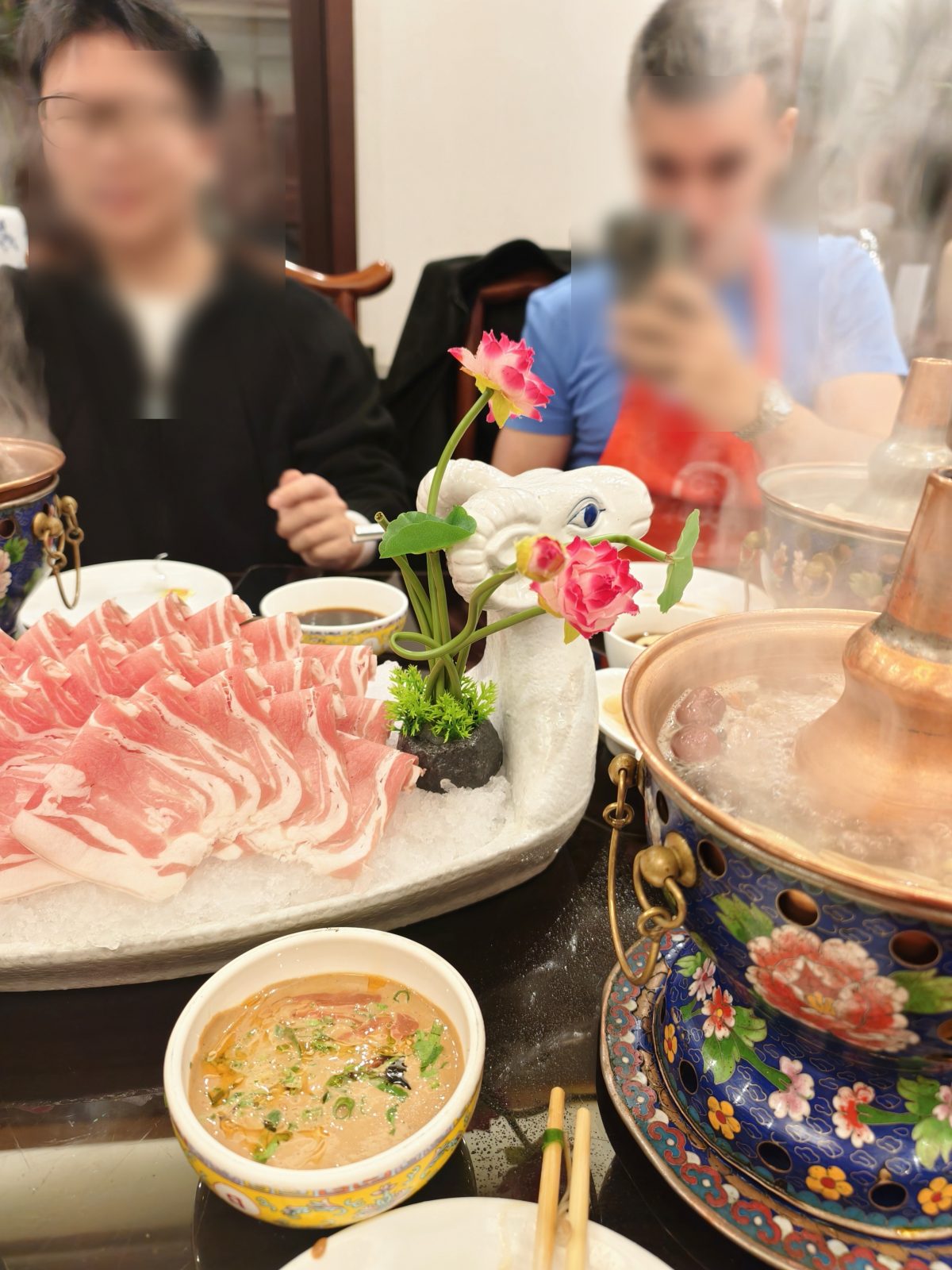
I came for the history and left obsessed with the food. The Peking duck is a given, lacquered skin, thin pancakes, the whole ritual, and it’s as good as everyone says. But the sleeper hits were the regional stuff. A Sichuan cold dish buried under fresh green chilies and Sichuan peppercorns taught me that after a year of Korean food I knew nothing about spicy, your lips go numb before your tongue even catches up. And the meal I’d fly back for: old Beijing copper-pot hotpot, the chimney pot, paper-thin lamb you swish for ten seconds, the sesame dip.


Modern Beijing
For all the imperial history, Beijing is also a wall of glass and steel. From Jingshan at dusk you can see both in a single turn of the head, ancient roofs in the foreground, the twisted China Zun and the CCTV ‘pants’ tower glowing behind. That contrast, 600-year-old courtyards and a skyline out of science fiction, is the thing I can’t stop thinking about.


Honestly the best part of travel isn’t the monuments, it’s the people. Here’s a friend of mine in Beijing first thing in the morning, checking on his Chinese stocks. Fitting, given we were standing in the shadow of the finance district.
What actually saved the trip
A few practical things made the difference between smooth and miserable in China specifically. This is the stuff I’d tell any friend to sort before flying:
An eSIM that works, no VPN →Google, WhatsApp and Instagram are blocked. The right eSIM routes around the Great Firewall.
The right plug adapter →China uses its own sockets. One adapter covered the whole trip.
A carry-on that survives →The green one in these photos. Still rolling after Beijing’s cobbles.
→ My full China trip checklist (visa, apps, cash, the works)
That power bank line isn’t a joke, by the way. Here’s the full story of how mine got confiscated at a Chinese airport and how to make sure yours doesn’t.
Know before you go
- Getting around: Download Didi (China’s Uber) and the metro app before you fly. Alipay and WeChat Pay now take foreign cards for tourists, but carry some cash too.
- The firewall: Google, WhatsApp and Instagram are blocked. A China eSIM that routes outside the firewall is the easiest fix, or install a VPN before you arrive (you can’t download one once you’re there).
- Forbidden City: Book online a few days ahead, you need your passport, entry is timed and it sells out. Closed Mondays.
- The Great Wall: We did Mutianyu, about 1.5 hours from the centre and far quieter than Badaling. Cable car up, toboggan down.
- Best free view: Jingshan Park, directly behind the Forbidden City, tiny entry fee, the sunset shot at the top of this page.
Next stop: Hong Kong. I spent a year and a half living there, so that one’s personal. In the meantime, if you’re planning China, start with the checklist, and come say hi on the socials, that’s where the videos from this trip are going.